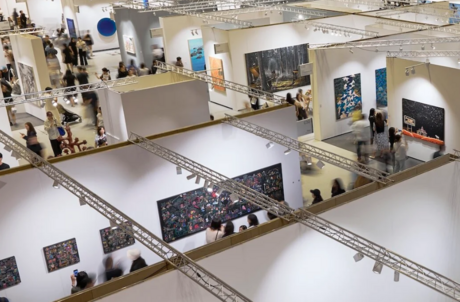



Major museums across the world, including Paris's renowned Louvre and Musée d'Orsay, are grappling with unprecedented overcrowding that threatens to transform these cultural sanctuaries into uncomfortable, packed venues. With packed galleries everywhere, questions arise about whether the relentless pursuit of visitor numbers leaves any room for peaceful contemplation and what risks this trend poses to these historic sites.
The Louvre Museum alone welcomes between 30,000 to 40,000 daily visitors who find themselves jostling for space in the galleries much like they did in the crowded subway trains that brought them there. These labyrinthine underground corridors serve as an acclimatization to the overwhelming crowds that flood the inevitable "masterpiece tour" of the Louvre, centered around its star attraction, the Mona Lisa (1503). From one crowd to another, people eager to contemplate, photograph, discover, or better understand the collections of the world's largest museum prepare to experience a disorienting and increasingly common phenomenon: exhibition overcrowding.
This surge in museum attendance represents a significant shift in how cultural institutions, originally conceived as spaces for quiet reflection and education, now function in practice. Sociologists, geographers, and museum professionals are analyzing this phenomenon and its impact on the visiting public, raising concerns about the quality of the museum experience when faced with such massive crowds.
The situation at the Louvre's Mona Lisa room on November 23, 2025, as captured in recent photography, exemplifies the challenge facing major cultural institutions worldwide. Visitors must navigate through dense crowds just to catch a glimpse of Leonardo da Vinci's masterpiece, raising the question of whether such conditions are reasonable for meaningful cultural engagement.
This overcrowding trend affects not only the visitor experience but also poses potential risks to the preservation of the artworks and the structural integrity of these historic buildings. Museums that were never designed to accommodate such massive daily influxes of people are being pushed to their limits, forcing administrators to reconsider their visitor management strategies and the balance between accessibility and preservation.