
SEOUL — Ahn Sung-ki, one of the most iconic and enduring figures in Korean cinema whose career spanned nearly seven decades, has died at the age of 74.
Ahn passed away on January 5, 2026, at around 9 a.m. in the intensive care unit of Soonchunhyang University Hospital in Seoul, surrounded by family, his agency Artist Company confirmed. The beloved actor had been battling blood cancer, first diagnosed in 2019, which returned after a period of remission.
Born in Daegu in 1952, Ahn entered the film world at the age of five, making his debut in director Kim Ki-young’s 1957 film The Twilight Train. Having appeared in roughly 70 films as a child actor, he quickly became a recognizable face in Korean cinema.
Over the course of his nearly 70-year career, Ahn appeared in more than 170 films and television works, charting the rise of South Korean cinema from its early postwar years to its current global prominence. His versatility saw him portray a vast range of characters: from contemplative monks and introspective wanderers to stubborn detectives and compassionate mentors.
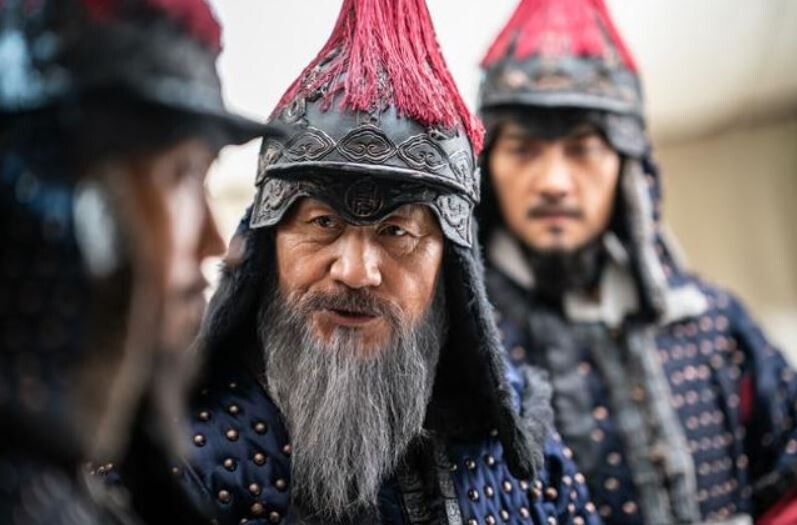
Among his most memorable roles were appearances in Mandala, Whale Hunting, Two Cops, White Badge, Silmido—Korea’s first blockbuster to surpass ten million admissions—and Radio Star.
Ahn’s body of work garnered him critical acclaim and widespread respect. He won numerous major awards, including multiple Best Actor honors at the Grand Bell Awards, a distinction unmatched by any other South Korean actor. His peers and audiences affectionately dubbed him “The Nation’s Actor”—a title reflecting not only his artistic achievements but also his humble public image and long-standing reputation for professionalism.
Beyond performance, Ahn contributed to the industry’s growth and community. He served in leadership roles such as chairman of the Korean Film Actors Association and was involved in cultural initiatives that supported emerging artists.
Despite health struggles in later years, Ahn remained engaged with cinema until the end, recently preparing for potential future projects before his condition worsened following a choking incident late in 2025 that led to hospitalization.
He is survived by his wife and two sons. Funeral services are being arranged with both industry and public participation, as Korea and international film communities mourn the loss of a towering artistic figure.
SayArt.net
Kang In sig insig6622@naver.com