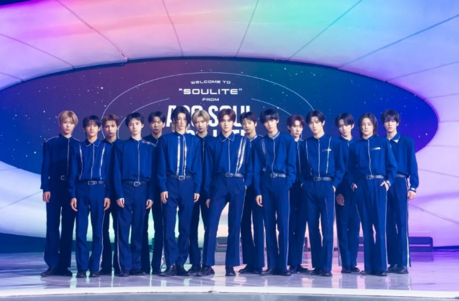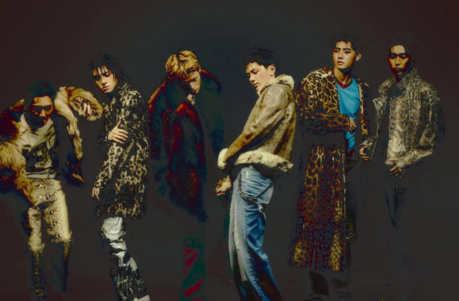



Virtual K-pop boy band PLAVE has achieved a groundbreaking milestone by filling Seoul's prestigious Gocheok Sky Dome with 37,000 fans over two nights, marking the first time a virtual idol group has headlined one of South Korea's most prestigious entertainment venues. The five-member virtual act, managed by VLAST, concluded their 2025 Asia tour with two "DASH: Quantum Leap Encore" concerts on Friday and Saturday, demonstrating that computer-generated performers can now compete with human idols for major venues and massive audiences.
The Seoul concerts represented the culmination of an extensive Asian tour that began in August and included stops in Taipei, Hong Kong, Jakarta, Bangkok, and Tokyo. Gocheok Sky Dome, typically reserved for top-tier K-pop acts such as BTS and BLACKPINK, witnessed something unprecedented as PLAVE became the first virtual group to join that elite roster. The overwhelming demand for tickets was evident when more than half a million presale attempts were recorded before both shows sold out completely, highlighting the growing commercial viability of virtual performers.
PLAVE's concerts utilize an innovative real-time avatar system where backstage performers control the group's movements and expressions live during the show. This technology allows the virtual avatars to respond spontaneously to fan chants, unexpected moments, and audience interactions, creating performances that feel reactive and authentic rather than pre-programmed. The system represents a significant advancement in virtual entertainment technology, enabling genuine interaction between virtual performers and their audiences.
Inside Gocheok Sky Dome on November 21, the concerts delivered the same scale and energy as major human-led K-pop shows, complete with synchronized fan chants, coordinated light sticks, and enthusiastic audience participation. The performances featured augmented reality projections and hologram-like effects layered onto the stage, creating visual spectacles that would be impossible to achieve with physical performers. These technological enhancements added a unique dimension to the concert experience while maintaining the emotional connection that K-pop fans expect.
Concertgoers reported being surprised by the intimate feel of the show, with many attendees noting the smoothness of motion, vivid colors, and the avatars' real-time responsiveness. Yu, a fan who has followed PLAVE since their 2023 debut, explained, "I like how the line between our world and the virtual world disappears when I'm watching PLAVE. There are still some technical hiccups, but I sometimes forget they're virtual at all. It feels like that doesn't even matter anymore." The audience included traditional K-pop supporters alongside animation fans, V-tuber watchers, and tech enthusiasts, indicating a broadening demographic for live virtual entertainment.
This real-time performance model contrasts sharply with approaches used by other virtual acts such as SM Entertainment's naevis or girl group MAVE: under Metaverse Entertainment. These alternative virtual performers rely on pre-rendered motion graphics and cinematic computer-generated imagery (CGI), which offers high levels of visual refinement and sophisticated worldbuilding but lacks the real-time audience interaction that PLAVE provides. The pre-rendered approach results in more polished and fixed presentations but sacrifices the spontaneous emotional exchange that live audiences crave.
The emergence of these two distinct formats represents different pathways for the virtual concert industry's development. Real-time systems emphasize interactivity and emotional exchange between performers and audiences, while CGI-heavy models prioritize visual precision, narrative cohesion, and cinematic quality. Both approaches are expanding rapidly as technology continues to evolve and fans seek new forms of engagement with their favorite performers, suggesting that the virtual idol market may support multiple performance styles.
Virtual idols initially faced significant skepticism about whether computer-generated performers could deliver the emotional reciprocity that forms the foundation of K-pop's appeal. However, the combination of real-time control systems, dramatically improving visual fidelity, and large-scale stage production has begun to reverse that skepticism among both fans and industry professionals. PLAVE's ability to fill Gocheok Sky Dome represents more than just a commercial success; it serves as a symbolic turning point that positions virtual idols not as novelties or curiosities, but as legitimate headliners capable of commanding Korea's most prestigious venues.
Industry analysts suggest this achievement is fundamentally reshaping expectations for how virtual acts can operate within a genre traditionally built on spectacular live performances and direct fan interaction. An industry insider affiliated with PLAVE's label, speaking on condition of anonymity, observed, "We are moving toward a hybrid era where the distinction between virtual and human performers matters less than the quality of the experience. Now the question for virtual idols is whether they can produce hits that resonate beyond the fandom, reaching those who find virtual acts unfamiliar, or even uncanny."
Despite this historic success, broader mainstream acceptance is not guaranteed for virtual performers. Currently, only a few virtual groups have successfully expanded beyond their core fan communities to achieve meaningful public recognition and commercial success. The insider also noted that the virtual idol sector remains led primarily by technology-focused companies rather than established entertainment agencies, creating a structural difference that makes long-term growth patterns less predictable than traditional K-pop acts. "If larger agencies begin treating virtual acts the way they treat human idols, you will see a shift in public perception almost immediately," the official explained, suggesting that industry infrastructure and investment patterns will play crucial roles in determining the future of virtual entertainment.