


The art world operates on unspoken rules that can confuse newcomers, where having money doesn't automatically guarantee the ability to purchase a coveted painting or sculpture. This distinctive culture separates art collecting from ordinary retail transactions, creating barriers that even wealthy individuals must navigate carefully.
A telling anecdote illustrates this dynamic perfectly. Years ago at a Cotswolds wedding, Orlando Whitfield, then a young art dealer, sat next to a celebrated artist whose work he personally disliked. The artist recounted creating an enormous, unwieldy installation that was sold to a wealthy collector and eventually moved to the collector's private island, where it was displayed in a purpose-built gallery. During the grand unveiling, surrounded by hedge fund managers, arms dealers, and oil executives – the types of people who own their own art islands – the artist experienced a moment of profound insecurity. Despite his success, he felt like a little boy showing finger paintings to his parents' friends.
This uncomfortable relationship with money runs deep in the art world's DNA. Art begins as something universal that all children create, only to become formalized and commodified through art schools and markets. This transformation from shared childhood activity to exclusive commodity helps explain why people often criticize conceptual or performance art that doesn't fit traditional categories like painting, drawing, or sculpture that children naturally make.
Commercial galleries deliberately obscure pricing information as part of their exclusive culture. Visitors are unlikely to see prices displayed next to artworks, and even the small red dots that once indicated sold pieces have been largely banned. The seriousness of a gallery can almost be measured by whether it displays prices – if they do, you're probably in the wrong establishment.
While New York has required galleries to display prices since the early 1970s, visitors to Chelsea or Upper East Side galleries today won't find a single dollar sign visible (unless it's part of a Warhol painting). This system forces potential buyers to engage with staff members, who rarely provide direct pricing information. Instead, your details get passed to sales personnel who research you through gallery databases and social media platforms like Google, Instagram, and X before sending carefully worded emails expressing delight at your interest and asking how the artist's practice fits with your existing collection.
Multiple layers often exist between inquiring about an artwork's price and actually being deemed worthy to purchase it. This process embodies the art world's thriving culture of snobbery, though it's typically referred to as "taste." The system deliberately elevates art transactions above ordinary luxury goods or decorative asset classes by requiring potential buyers to prove their collector credentials to young art history graduates.
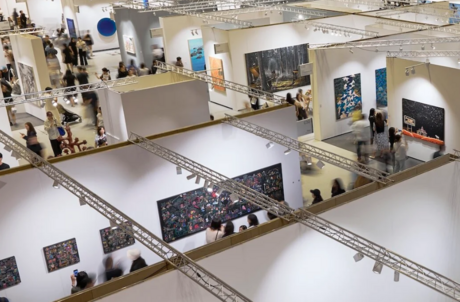
The art world's distinctive language reinforces this exclusivity. Words like "acquire" replace "buy," elevating the very nature of transactions so purchasers don't examine them too critically. Behind the scenes, however, dealers often refer to masterpieces as "inventory" or simply "kit," revealing the industry's upstairs-downstairs mentality. This politesse can be quickly discarded when commercial interests take priority – at art fairs, galleries routinely remove sold works overnight and replace them with new pieces, leading to observations like one collector's comment at Frieze London: "They're, like, everywhere. They swap them out like football substitutes."
This elaborate dance around pricing creates genuine confusion for collectors trying to navigate the market. However, as artist Damien Hirst once astutely observed, "Art is about life and the art world is about money." People who genuinely love art forget this distinction at their own peril, as the commercial machinery underlying the cultural facade remains a fundamental reality that shapes every interaction in this rarefied world.