


The interior design landscape is undergoing significant transformation as we move into 2026, with experts identifying five key trends that will define how Americans style their homes. Following a year in which minimalism began losing its grip, homeowners embraced bold color schemes throughout their living spaces, and vintage collecting reached new heights, the coming year promises both evolution and confirmation of enduring design principles.
Bo Hellberg, global chief marketing officer at String Furniture, and Rachel Thompson, partner at Northworks, are among the industry professionals guiding these predictions. While homeowners won't need to completely overhaul their existing décor, strategic updates to key pieces may be worth considering as these trends take hold.
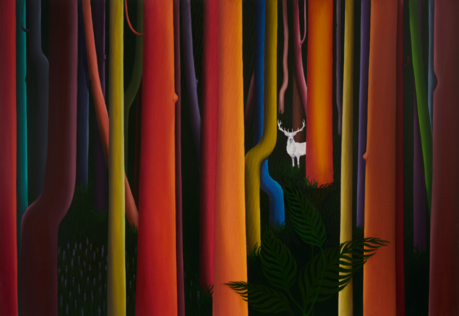
The most significant shift involves a reimagining of neutral color palettes that have dominated home design for years. Traditional gray and beige walls are giving way to more adventurous choices as homeowners shed their play-it-safe philosophy. "Rich blue is already popping up—also the faded, bright blue-gray," notes Hellberg. This evolution includes color-drenching powder rooms in subtle purples and adding green trim to sitting areas, with earth tones replacing subtle neutrals and vibrant colors leading toward more experimental, exuberant home environments.
A new approach to minimalism is emerging that experts are calling "warm minimalism." This style maintains the clean lines and subtle décor principles of traditional minimalism while incorporating more personal and practical elements for daily living. "It's still about serenity, but with soul," explains Hellberg. "People want their homes to feel more than stylish—they want them to feel lived-in, comforting, and personal." This trend embraces curated vintage objects, layered rugs, and other elegant, nuanced touches that add character without cluttering.
Outdoor spaces are increasingly being treated as extensions of interior rooms, complete with plush seating arrangements and sophisticated amenities. Depending on regional climate, many homeowners now spend significant portions of their year on porches and decks that more closely resemble interior spaces than traditional outdoor areas. These spaces feature comfortable furniture, outdoor rugs, smart lighting systems, and entertainment features including televisions. The team at Loll Designs describes this trend as creating "an extension of the home."
A renewed appreciation for craftsmanship and texture is driving another major trend, closely tied to the growing popularity of vintage décor. This movement encompasses various aspects of home design, from shelves displaying one-of-a-kind ceramics to handmade rugs that serve as focal points. Plaster applications are particularly noteworthy in this category. "These tactile surfaces are appearing throughout the home on walls, ceilings, and even within bathrooms—from lime wash paints and micro-cement to traditional Venetian plaster," says Thompson. "It brings depth, warmth, and an artisan quality." Hellberg connects this development to a broader "craftsmanship revival connected to the longer trend of blending antiques, heirloom pieces, and vintage lighting with contemporary design."
Perhaps most dramatically, maximalism and bold experimentation are gaining significant momentum, representing a stark departure from the restraint that has characterized interior design in recent years. A recent survey by 1stDibs of over 450 interior designers for their annual trend report revealed that maximalism and eclecticism have become the most-requested styles among clients. This shift toward more daring, experimental design reflects a fundamental change in how people view their homes—as vehicles for self-expression similar to fashion choices. This perspective has fueled bolder color selections, pattern-on-pattern living room designs, and increasingly adventurous decorating approaches that prioritize personal expression over conventional design rules.