
Sayart.net - K-Pop Breaks New Ground by Expanding into Children′s Entertainment Content Worldwide

  • December 10, 2025 (Wed)

K-Pop Breaks New Ground by Expanding into Children's Entertainment Content Worldwide

Sayart / Published December 2, 2025 01:20 AM
  • -
  • +
  • print

Korean pop music, traditionally associated with teenage and young adult audiences, is making significant inroads into children's entertainment across global markets. This strategic expansion into preschool programming and early education content represents a major shift that could fundamentally influence how young children develop cultural preferences and media consumption habits.

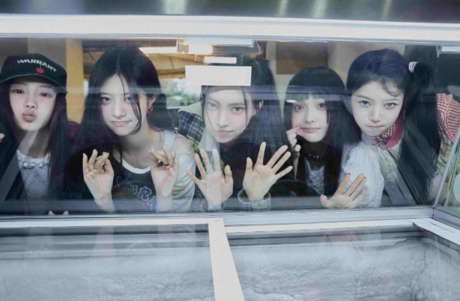
The most recent example of this trend comes from the five-member girl group FIFTY FIFTY, whose agency ATTRAKT announced the release of a seasonal single called "Making Christmas Magical" on November 28. This collaboration with Blocks Universe, a prominent children's content intellectual property, features beloved educational characters including Numberblocks, Alphablocks, Colorblocks, and Wonderblocks that are extensively used in British classrooms and preschool settings. According to Alphablocks, the brand owner, this project represents the franchise's first major cross-brand Christmas release that brings together all four character properties. The song was produced by Blue Zoo Animation Studio, a BAFTA- and Emmy-winning, B Corp-certified studio that has been a long-standing partner of Alphablocks and is renowned for its educational animation work.

Similar developments are emerging in the American publishing industry, where K-pop superstars BLACKPINK and BTS have been featured in the Little Golden Book Biography series following the publication of their respective titles earlier this year. This series, specifically designed for beginning readers, transforms the groups' complex histories into simplified narratives accompanied by picture-book illustrations that young children can easily understand. Additionally, BLACKPINK was showcased in "Blackpink: Queens of K-Pop," a hardcover book published in 2020 by Union Square Kids. This juvenile nonfiction title provides detailed profiles of the band's four members – Jisoo, Jennie, Rose, and Lisa – chronicling their individual backgrounds, the group's formation process, and their remarkable rise to international stardom using language specifically adapted for young readers.

Other prominent K-pop acts have also ventured into preschool programming through strategic partnerships with established children's entertainment brands. NewJeans collaborated with children's entertainment company Pinkfong and its globally recognized Baby Shark intellectual property in 2022, creating dance videos where the members adapted their popular songs into easy-to-follow content designed specifically for viewers under seven years old. This collaboration marked one of the genre's most direct entries into dedicated children's content.

SM Entertainment's boy band NCT Dream has similarly entered this market space through a partnership with Pinkfong's dinosaur character Redrex. The group reimagined their hit song "Hot Sauce" as a kid-friendly sing-along featuring simplified choreography and animated visual elements. This successful partnership eventually expanded beyond entertainment into the retail sector, with both agencies launching "NCT-REX," a family-friendly ready-to-eat meal line distributed through South Korea's CU convenience store chain.

For entertainment companies, the strategic appeal of these ventures is clear and compelling: children represent a largely untapped audience that can be reached through gentler, more accessible entry points. Early exposure to K-pop content often builds familiarity and positive associations long before children mature into demographics that actively use streaming platforms or attend live concerts, creating the potential for long-term fan relationships that can develop and evolve over many years.

For K-pop idols themselves, appearing in international children's media – whether through educational character collaborations, animated crossovers, or beginner-level nonfiction books – adds another significant dimension to their global reach and influence. This strategy allows K-pop acts to establish a presence in spaces that extend far beyond traditional pop music markets, effectively embedding them in households, classrooms, and educational environments worldwide.

Industry critics and analysts note that these collaborations reflect the broader maturation of K-pop as a sophisticated cultural export that now moves seamlessly across different age groups, media platforms, and educational settings. However, some experts argue that this rapid expansion into children's content highlights the urgent need for clearer industry standards and guidelines. While much of K-pop may sound "family-friendly" to international listeners, observers suggest that South Korea needs to develop more nuanced benchmarks specifically for content aimed at children.

"It's time to think concretely about what K-pop for children should look like," wrote music critic Moon Young-min, who goes by the pen name "Mimyo," in a local media outlet. "With the genre now 25 years into its history, this conversation isn't premature. Ideally, the upbeat and imaginative collaborations between idols and children's content will help shape clearer guidelines for the future."

Korean pop music, traditionally associated with teenage and young adult audiences, is making significant inroads into children's entertainment across global markets. This strategic expansion into preschool programming and early education content represents a major shift that could fundamentally influence how young children develop cultural preferences and media consumption habits.

The most recent example of this trend comes from the five-member girl group FIFTY FIFTY, whose agency ATTRAKT announced the release of a seasonal single called "Making Christmas Magical" on November 28. This collaboration with Blocks Universe, a prominent children's content intellectual property, features beloved educational characters including Numberblocks, Alphablocks, Colorblocks, and Wonderblocks that are extensively used in British classrooms and preschool settings. According to Alphablocks, the brand owner, this project represents the franchise's first major cross-brand Christmas release that brings together all four character properties. The song was produced by Blue Zoo Animation Studio, a BAFTA- and Emmy-winning, B Corp-certified studio that has been a long-standing partner of Alphablocks and is renowned for its educational animation work.

Similar developments are emerging in the American publishing industry, where K-pop superstars BLACKPINK and BTS have been featured in the Little Golden Book Biography series following the publication of their respective titles earlier this year. This series, specifically designed for beginning readers, transforms the groups' complex histories into simplified narratives accompanied by picture-book illustrations that young children can easily understand. Additionally, BLACKPINK was showcased in "Blackpink: Queens of K-Pop," a hardcover book published in 2020 by Union Square Kids. This juvenile nonfiction title provides detailed profiles of the band's four members – Jisoo, Jennie, Rose, and Lisa – chronicling their individual backgrounds, the group's formation process, and their remarkable rise to international stardom using language specifically adapted for young readers.

Other prominent K-pop acts have also ventured into preschool programming through strategic partnerships with established children's entertainment brands. NewJeans collaborated with children's entertainment company Pinkfong and its globally recognized Baby Shark intellectual property in 2022, creating dance videos where the members adapted their popular songs into easy-to-follow content designed specifically for viewers under seven years old. This collaboration marked one of the genre's most direct entries into dedicated children's content.

SM Entertainment's boy band NCT Dream has similarly entered this market space through a partnership with Pinkfong's dinosaur character Redrex. The group reimagined their hit song "Hot Sauce" as a kid-friendly sing-along featuring simplified choreography and animated visual elements. This successful partnership eventually expanded beyond entertainment into the retail sector, with both agencies launching "NCT-REX," a family-friendly ready-to-eat meal line distributed through South Korea's CU convenience store chain.

For entertainment companies, the strategic appeal of these ventures is clear and compelling: children represent a largely untapped audience that can be reached through gentler, more accessible entry points. Early exposure to K-pop content often builds familiarity and positive associations long before children mature into demographics that actively use streaming platforms or attend live concerts, creating the potential for long-term fan relationships that can develop and evolve over many years.

For K-pop idols themselves, appearing in international children's media – whether through educational character collaborations, animated crossovers, or beginner-level nonfiction books – adds another significant dimension to their global reach and influence. This strategy allows K-pop acts to establish a presence in spaces that extend far beyond traditional pop music markets, effectively embedding them in households, classrooms, and educational environments worldwide.

Industry critics and analysts note that these collaborations reflect the broader maturation of K-pop as a sophisticated cultural export that now moves seamlessly across different age groups, media platforms, and educational settings. However, some experts argue that this rapid expansion into children's content highlights the urgent need for clearer industry standards and guidelines. While much of K-pop may sound "family-friendly" to international listeners, observers suggest that South Korea needs to develop more nuanced benchmarks specifically for content aimed at children.

"It's time to think concretely about what K-pop for children should look like," wrote music critic Moon Young-min, who goes by the pen name "Mimyo," in a local media outlet. "With the genre now 25 years into its history, this conversation isn't premature. Ideally, the upbeat and imaginative collaborations between idols and children's content will help shape clearer guidelines for the future."

WEEKLY HOTISSUE