


Tate Britain has unveiled a major new exhibition titled "The 90s," offering a comprehensive retrospective of Britain's dynamic and hedonistic art scene during the decade. The exhibition, which opened this month and runs through spring, occupies twelve galleries and features over 200 works from the period that transformed British cultural identity. Curators have assembled pieces from the museum's permanent collection alongside significant loans from private collectors and the artists themselves, creating the most extensive survey of 1990s British art in nearly two decades.
The 1990s marked a pivotal moment in British cultural history as the nation emerged from the Thatcher era into a period of renewed optimism and creative experimentation. "Cool Britannia" became the dominant cultural narrative, with London establishing itself as a global capital for contemporary art, music, and fashion. Economic prosperity and shifting social attitudes fostered an environment where hedonism and rebellion against establishment norms flourished, giving rise to provocative artistic expressions that challenged traditional boundaries between high art and popular culture.
The exhibition spotlights the Young British Artists movement, featuring iconic works by Damien Hirst, Tracey Emin, Sarah Morris, and Rachel Whiteread. Hirst's signature pieces incorporating preserved animals and pharmaceutical motifs appear alongside Emin's confessional installations and neon text works. The curators have also integrated influences from Britpop music culture, fashion photography, and the burgeoning British film industry to demonstrate how visual arts intersected with broader cultural movements. Interactive displays allow visitors to explore archival materials, including exhibition flyers, magazine covers, and documentary footage from the era's legendary warehouse parties and gallery openings.
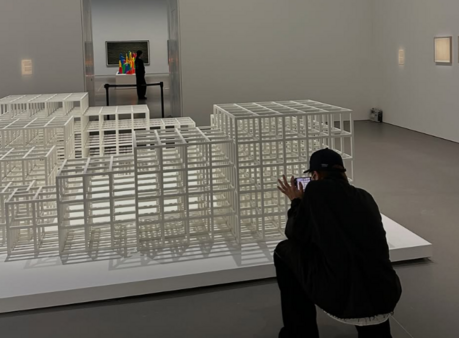
The curatorial team has designed immersive gallery environments that recreate the decade's distinctive aesthetic, from minimalist white cube galleries to gritty warehouse spaces. Visitors encounter not only paintings and sculptures but also video installations, performance documentation, and site-specific pieces that reflect the period's experimental spirit. The exhibition includes a recreated 1990s London apartment, complete with period furnishings and contemporary artworks, offering insight into how ordinary Britons experienced this cultural revolution in their daily lives.
This retrospective holds particular significance as it reevaluates a transformative period that established Britain's contemporary art market and launched numerous careers that continue influencing global culture today. The exhibition argues that 1990s British art fundamentally shifted how institutions, collectors, and the public engage with contemporary practice, breaking down elitist barriers and embracing popular culture references. Tate Britain's presentation invites critical examination of whether the decade's hedonistic reputation overshadowed substantive artistic innovation or accurately captured a moment of genuine creative liberation.
Admission to "The 90s" is included with standard Tate Britain tickets, which remain free for visitors under 25 and Tate members. The museum has organized a series of accompanying talks, panel discussions with artists from the period, and after-hours events featuring 1990s music. For those unable to visit in person, a virtual tour and comprehensive exhibition catalog provide accessible alternatives to experiencing this definitive survey of a decade that reshaped British artistic identity.