Sayart.net - Cultural and Arts Activities in Korea Demonstrated Steady Growth Throughout 2024, Comprehensive National Survey Reveals

  • January 04, 2026 (Sun)

Cultural and Arts Activities in Korea Demonstrated Steady Growth Throughout 2024, Comprehensive National Survey Reveals

Sayart / Published January 3, 2026 10:28 PM
  • -
  • +
  • print

Cultural and artistic activities across South Korea exhibited consistent expansion in 2024, according to comprehensive data released by Arts Council Korea, the nation's primary public arts funding and support organization known as ARKO. The annual Survey on Cultural and Arts Activities, which has tracked the nation's creative output since 1976, registered a total of 62,442 distinct concerts, exhibitions, performances, and literary endeavors throughout the year, representing a solid 4.7 percent increase compared to 2023. This figure encompasses professional fine arts activities across multiple disciplines while deliberately excluding popular culture sectors such as K-pop, cinema, and video games, focusing instead on traditional and contemporary high arts that form the backbone of Korea's cultural infrastructure.

The performing arts sector emerged as the most vibrant component of this growth, accounting for 30,273 registered endeavors, which collectively comprised an impressive 145,543 individual performances. Within this category, classical music dominated the landscape, representing 48.8 percent of all registered shows with 14,760 entries, followed by theatrical works totaling 9,316 and mixed-genre productions reaching 2,473. Notably, all major performing arts disciplines—including Korean traditional music, Western classical music, theater, dance, and mixed genres—demonstrated year-over-year growth, suggesting a broad-based recovery and expansion. The survey revealed particular strength in new work development, with 883 performing arts premieres representing 2.9 percent of total endeavors but commanding 5.6 percent of actual performances at 8,212 stagings. The average number of performances per new work rose significantly from 7 in 2023 to 9.3 in 2024, indicating enhanced sustainability and audience engagement for contemporary creations.

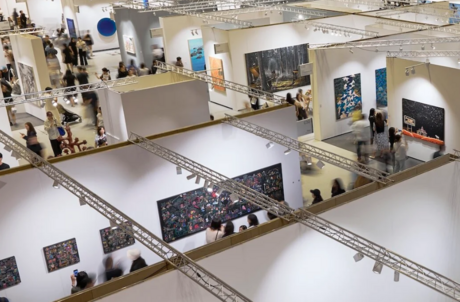
Visual arts presented a contrasting yet equally dynamic picture, with 17,145 registered exhibitions revealing a clear market shift toward solo presentations. Individual artist exhibitions surged by 874 cases to reach 9,817, while group exhibitions declined by 220 to 7,328, reflecting evolving curatorial strategies and possibly changing collector preferences. Painting maintained its position as the most actively exhibited medium with 9,644 shows, marking a 6.9 percent increase from the previous year. The average duration of exhibitions decreased by 4.4 percent to 25.6 days overall, though solo exhibitions saw a slight increase in length to 23.3 days, suggesting institutions are experimenting with scheduling efficiencies while giving individual artists marginally more exposure time. These trends point to a maturing visual arts ecosystem that balances institutional priorities with artist development needs.

The literary sector, encompassing 15,024 recorded activities, demonstrated robust domestic production alongside a contraction in international translation work. Korean publishers released 12,699 domestic titles, an increase from previous years, while translations of foreign works declined to 2,325. Print books maintained their dominance, accounting for 75.9 percent of domestic publications and 65.7 percent of translated works, defying global digital transition trends. Novels led publication statistics with 4,487 domestic releases, nearly matched by poetry at 4,411 volumes, while essays and prose works totaled 3,421. This distribution highlights Korea's enduring literary tradition that elevates poetic expression alongside narrative fiction, distinguishing its publishing landscape from many Western markets where poetry typically commands smaller market share.

Quarterly analysis revealed accelerating cultural activity throughout 2024, with endeavors growing from 7,403 in the first quarter to 13,219 in the second, 13,225 in the third, and peaking at 16,144 in the fourth quarter. This progressive expansion suggests seasonal programming patterns, potential pent-up demand from earlier months, and successful year-end cultural campaigns. When normalized for population, Korea hosted 93 shows and exhibitions per 100,000 people in 2024, up from 87.9 in 2023, demonstrating increasing cultural accessibility and production capacity. The long-running survey, published continuously since 1976, serves as a critical barometer for policymakers, arts organizations, and cultural economists, providing authoritative data on the volume, frequency, and evolution of professional arts activities across regions, genres, and time periods.

These findings underscore the resilience and dynamism of Korea's formal arts sector, which operates alongside but distinct from the globally dominant Korean Wave pop culture exports. The data suggests that institutional support through organizations like ARKO, combined with strong audience development and artist infrastructure, continues to yield measurable growth in high-cultural production. Specific successes like the Seoul Metropolitan Theater's production "Toongso Whistles," which premiered in 2024 before returning for an encore run in 2025 at the prestigious Sejong Center for the Performing Arts, exemplify the sustainable lifecycle of new Korean works that the statistics reflect. As the nation continues balancing its cultural identity between traditional heritage and contemporary innovation, these metrics provide tangible evidence of a healthy, expanding ecosystem for professional arts that complements Korea's broader cultural influence on the global stage.

Cultural and artistic activities across South Korea exhibited consistent expansion in 2024, according to comprehensive data released by Arts Council Korea, the nation's primary public arts funding and support organization known as ARKO. The annual Survey on Cultural and Arts Activities, which has tracked the nation's creative output since 1976, registered a total of 62,442 distinct concerts, exhibitions, performances, and literary endeavors throughout the year, representing a solid 4.7 percent increase compared to 2023. This figure encompasses professional fine arts activities across multiple disciplines while deliberately excluding popular culture sectors such as K-pop, cinema, and video games, focusing instead on traditional and contemporary high arts that form the backbone of Korea's cultural infrastructure.

The performing arts sector emerged as the most vibrant component of this growth, accounting for 30,273 registered endeavors, which collectively comprised an impressive 145,543 individual performances. Within this category, classical music dominated the landscape, representing 48.8 percent of all registered shows with 14,760 entries, followed by theatrical works totaling 9,316 and mixed-genre productions reaching 2,473. Notably, all major performing arts disciplines—including Korean traditional music, Western classical music, theater, dance, and mixed genres—demonstrated year-over-year growth, suggesting a broad-based recovery and expansion. The survey revealed particular strength in new work development, with 883 performing arts premieres representing 2.9 percent of total endeavors but commanding 5.6 percent of actual performances at 8,212 stagings. The average number of performances per new work rose significantly from 7 in 2023 to 9.3 in 2024, indicating enhanced sustainability and audience engagement for contemporary creations.

Visual arts presented a contrasting yet equally dynamic picture, with 17,145 registered exhibitions revealing a clear market shift toward solo presentations. Individual artist exhibitions surged by 874 cases to reach 9,817, while group exhibitions declined by 220 to 7,328, reflecting evolving curatorial strategies and possibly changing collector preferences. Painting maintained its position as the most actively exhibited medium with 9,644 shows, marking a 6.9 percent increase from the previous year. The average duration of exhibitions decreased by 4.4 percent to 25.6 days overall, though solo exhibitions saw a slight increase in length to 23.3 days, suggesting institutions are experimenting with scheduling efficiencies while giving individual artists marginally more exposure time. These trends point to a maturing visual arts ecosystem that balances institutional priorities with artist development needs.

The literary sector, encompassing 15,024 recorded activities, demonstrated robust domestic production alongside a contraction in international translation work. Korean publishers released 12,699 domestic titles, an increase from previous years, while translations of foreign works declined to 2,325. Print books maintained their dominance, accounting for 75.9 percent of domestic publications and 65.7 percent of translated works, defying global digital transition trends. Novels led publication statistics with 4,487 domestic releases, nearly matched by poetry at 4,411 volumes, while essays and prose works totaled 3,421. This distribution highlights Korea's enduring literary tradition that elevates poetic expression alongside narrative fiction, distinguishing its publishing landscape from many Western markets where poetry typically commands smaller market share.

Quarterly analysis revealed accelerating cultural activity throughout 2024, with endeavors growing from 7,403 in the first quarter to 13,219 in the second, 13,225 in the third, and peaking at 16,144 in the fourth quarter. This progressive expansion suggests seasonal programming patterns, potential pent-up demand from earlier months, and successful year-end cultural campaigns. When normalized for population, Korea hosted 93 shows and exhibitions per 100,000 people in 2024, up from 87.9 in 2023, demonstrating increasing cultural accessibility and production capacity. The long-running survey, published continuously since 1976, serves as a critical barometer for policymakers, arts organizations, and cultural economists, providing authoritative data on the volume, frequency, and evolution of professional arts activities across regions, genres, and time periods.

These findings underscore the resilience and dynamism of Korea's formal arts sector, which operates alongside but distinct from the globally dominant Korean Wave pop culture exports. The data suggests that institutional support through organizations like ARKO, combined with strong audience development and artist infrastructure, continues to yield measurable growth in high-cultural production. Specific successes like the Seoul Metropolitan Theater's production "Toongso Whistles," which premiered in 2024 before returning for an encore run in 2025 at the prestigious Sejong Center for the Performing Arts, exemplify the sustainable lifecycle of new Korean works that the statistics reflect. As the nation continues balancing its cultural identity between traditional heritage and contemporary innovation, these metrics provide tangible evidence of a healthy, expanding ecosystem for professional arts that complements Korea's broader cultural influence on the global stage.
WEEKLY HOTISSUE