
Sayart.net - Klegod Summer House Embraces Coastal Elements

  • January 01, 2026 (Thu)

Klegod Summer House Embraces Coastal Elements

Sayart / Published January 1, 2026 07:13 PM
  • -
  • +
  • print

Spant Studio has completed the Summer House in Klegod, a 102-square-meter retreat nestled within the windswept dunes of West Jutland's coastline near the North Sea. The Danish architecture firm, led by Troels Thorbjørnson and Kasper Baarup Holmboe with design team member Peter Larsen, designed the home for private clients seeking both a peaceful couple's sanctuary and a gathering place for extended family. Completed in 2024, the project demonstrates how contemporary architecture can respond respectfully to harsh coastal conditions while creating comfortable, adaptable living spaces. Photographer Helene Høyer Mikkelsen documented the house, capturing its subtle integration with the dramatic landscape.

The design concept centers on making elemental forces—wind, light, and seasonal change—integral components of daily life rather than obstacles to overcome. The architects recognized that strong winds and shifting weather patterns define the West Jutland experience, so they oriented the building and selected materials to work with these conditions rather than against them. Large windows frame panoramic views of the dunes and sea, while strategic placement of sheltered outdoor spaces allows residents to experience the coastal environment safely. The roofline and building massing respond to prevailing wind directions, minimizing structural stress and reducing maintenance requirements over time.

Inside, the layout accommodates two distinct modes of living: intimate retreats for the couple and expansive gatherings for children and grandchildren. The floor plan separates private master quarters from flexible communal areas that can be reconfigured for different group sizes. A central living space with generous ceiling heights becomes the heart of family activities, while more compact ancillary spaces provide cozy retreats during stormy weather. The kitchen and dining areas flow seamlessly into outdoor terraces, extending the usable space during Denmark's brief but cherished summer months. This duality ensures the house remains comfortable and efficient whether occupied by two people or ten.

Material selection emphasizes durability and natural weathering appropriate to the maritime climate. Wood serves as the primary building material, chosen for its ability to develop character as it ages and its sustainability credentials. The exterior cladding will gradually silver under sun and salt spray, helping the building recede into the dune landscape over time. Interior finishes remain simple and robust, with exposed structural elements that speak to the honest construction methods employed throughout. The design team specified high-performance insulation and triple-glazed windows to maintain energy efficiency despite extreme temperature fluctuations and driving winds.

The most significant constraint imposed on the project was the requirement to preserve existing vegetation and minimize landscape disruption. Spant Studio positioned the building carefully among mature dune grasses and low shrubs, using elevated foundations where necessary to protect root systems. This respectful approach means the house appears to have settled naturally into its site rather than having been imposed upon it. The surrounding landscape continues to evolve naturally, with the architecture serving as a subtle frame for nature's processes rather than a dominating presence. Native plantings around the structure's perimeter further reinforce this integration.

The Klegod Summer House represents a mature approach to coastal residential architecture that balances environmental sensitivity with family functionality. Spant Studio's work demonstrates how modestly scaled buildings can achieve architectural significance through thoughtful siting, material honesty, and programmatic clarity. As climate change increases the frequency of extreme weather events, this project's emphasis on durability and adaptation offers valuable lessons for coastal development worldwide. The house stands as a testament to the possibility of creating contemporary architecture that respects both its natural context and the multi-generational needs of modern families.

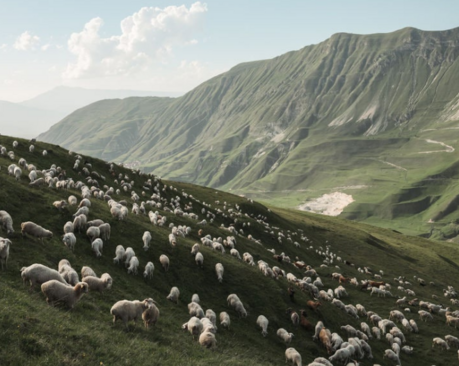
Spant Studio has completed the Summer House in Klegod, a 102-square-meter retreat nestled within the windswept dunes of West Jutland's coastline near the North Sea. The Danish architecture firm, led by Troels Thorbjørnson and Kasper Baarup Holmboe with design team member Peter Larsen, designed the home for private clients seeking both a peaceful couple's sanctuary and a gathering place for extended family. Completed in 2024, the project demonstrates how contemporary architecture can respond respectfully to harsh coastal conditions while creating comfortable, adaptable living spaces. Photographer Helene Høyer Mikkelsen documented the house, capturing its subtle integration with the dramatic landscape.

The design concept centers on making elemental forces—wind, light, and seasonal change—integral components of daily life rather than obstacles to overcome. The architects recognized that strong winds and shifting weather patterns define the West Jutland experience, so they oriented the building and selected materials to work with these conditions rather than against them. Large windows frame panoramic views of the dunes and sea, while strategic placement of sheltered outdoor spaces allows residents to experience the coastal environment safely. The roofline and building massing respond to prevailing wind directions, minimizing structural stress and reducing maintenance requirements over time.

Inside, the layout accommodates two distinct modes of living: intimate retreats for the couple and expansive gatherings for children and grandchildren. The floor plan separates private master quarters from flexible communal areas that can be reconfigured for different group sizes. A central living space with generous ceiling heights becomes the heart of family activities, while more compact ancillary spaces provide cozy retreats during stormy weather. The kitchen and dining areas flow seamlessly into outdoor terraces, extending the usable space during Denmark's brief but cherished summer months. This duality ensures the house remains comfortable and efficient whether occupied by two people or ten.

Material selection emphasizes durability and natural weathering appropriate to the maritime climate. Wood serves as the primary building material, chosen for its ability to develop character as it ages and its sustainability credentials. The exterior cladding will gradually silver under sun and salt spray, helping the building recede into the dune landscape over time. Interior finishes remain simple and robust, with exposed structural elements that speak to the honest construction methods employed throughout. The design team specified high-performance insulation and triple-glazed windows to maintain energy efficiency despite extreme temperature fluctuations and driving winds.

The most significant constraint imposed on the project was the requirement to preserve existing vegetation and minimize landscape disruption. Spant Studio positioned the building carefully among mature dune grasses and low shrubs, using elevated foundations where necessary to protect root systems. This respectful approach means the house appears to have settled naturally into its site rather than having been imposed upon it. The surrounding landscape continues to evolve naturally, with the architecture serving as a subtle frame for nature's processes rather than a dominating presence. Native plantings around the structure's perimeter further reinforce this integration.

The Klegod Summer House represents a mature approach to coastal residential architecture that balances environmental sensitivity with family functionality. Spant Studio's work demonstrates how modestly scaled buildings can achieve architectural significance through thoughtful siting, material honesty, and programmatic clarity. As climate change increases the frequency of extreme weather events, this project's emphasis on durability and adaptation offers valuable lessons for coastal development worldwide. The house stands as a testament to the possibility of creating contemporary architecture that respects both its natural context and the multi-generational needs of modern families.

WEEKLY HOTISSUE