
Sayart.net - Final Photographic Retrospective Captures Nîmes′ Defining Moments of 2025

  • January 01, 2026 (Thu)

Final Photographic Retrospective Captures Nîmes' Defining Moments of 2025

Sayart / Published January 1, 2026 11:05 AM
  • -
  • +
  • print

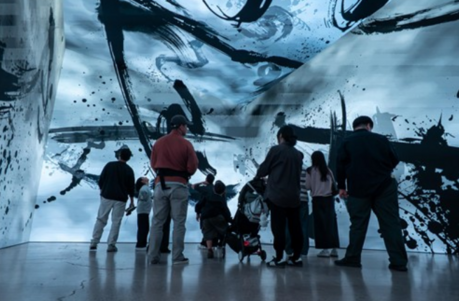
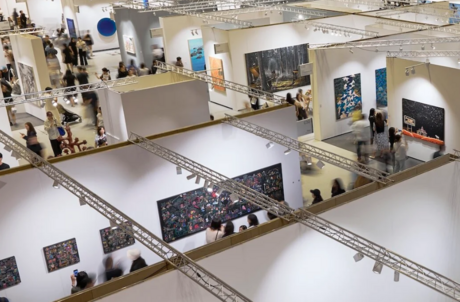
A comprehensive photographic exhibition offering a final visual chronicle of Nîmes' most significant events throughout 2025 opened to the public last weekend at the Carré d'Art museum. The collection, titled 'Nîmes 2025: A Year in Focus,' features over 200 images from six local photojournalists who documented everything from political upheavals to cultural celebrations across the Gard prefecture. The retrospective serves as both an artistic achievement and a historical record, preserving pivotal moments that shaped the city's trajectory during a transformative year. Organizers emphasize that this will be the last centralized photographic documentation of local news for the foreseeable future, as regional media outlets shift toward digital-first strategies.

The project was spearheaded by the Nîmes Press Photographers Association in partnership with the city's Office of Cultural Affairs, beginning in January 2025. Lead photographer Marie-Claire Dubois, who has covered Nîmes for three decades, mentored five emerging photographers aged 22 to 28 throughout the year-long initiative. The team employed a hybrid approach, shooting both digital and analog formats to create a multi-layered narrative. Their work appeared weekly in La Gazette de Nîmes and on the municipal website, but this exhibition marks the first time the complete curated collection has been displayed in physical form. The photographers maintained a grueling schedule, attending an average of 15 assignments per week, from dawn market openings to midnight council meetings.

The exhibition is organized thematically rather than chronologically, with sections dedicated to municipal politics, environmental challenges, cultural heritage, and social movements. Standout images include powerful shots of the February transportation strike that paralyzed the city for 17 days, intimate portraits of refugees at the Nîmes welcome center, and vibrant documentation of the Feria de Nîmes that drew 500,000 visitors despite security concerns. One particularly striking series by 25-year-old photographer Jean-Paul Rousseau captures the demolition of the controversial 1970s-era Cité administrative building, with each frame showing the gradual disappearance of a structure that had dominated the skyline for 50 years. Environmental photojournalism features prominently, with before-and-after sequences documenting both wildfire damage in nearby garrigue regions and successful urban rewilding projects along the Gardon River.

Technically, the collection showcases diverse photographic approaches that reflect contemporary photojournalism's evolution. While Dubois relied on her trusted Leica M10-R for crisp, documentary-style coverage, younger contributors experimented with drone photography, 360-degree panoramas, and slow-motion video stills. The exhibition includes interactive displays where visitors can scan QR codes to access audio interviews with subjects and behind-the-scenes footage of the photographic process. Print sizes range from intimate 8x10 contact sheets to monumental 6x9 foot banners that transform gallery walls into immersive environments. The decision to include both color and black-and-white imagery was deliberate, with monochrome used for political and conflict-related content to emphasize gravity, while color dominates the cultural and celebration sections.

Community response has been overwhelmingly positive, with more than 3,000 visitors attending the opening weekend. Mayor Jean-Paul Fournier praised the project during the inauguration ceremony, calling it 'an invaluable archive that captures our city's soul during a period of profound change.' Local educators have already incorporated the exhibition into their curriculum, bringing over 500 students from lycées across the region to analyze the intersection of journalism and visual storytelling. Several subjects photographed throughout the year, including shop owners, protesters, and festival performers, attended the opening to see themselves as part of Nîmes' historical record. The emotional impact is palpable, particularly in the section documenting the city's response to economic challenges facing the traditional textile industry.

The retrospective will remain on display through March 2026 before traveling to Montpellier and Avignon. All proceeds from catalogue sales will fund a scholarship for aspiring photojournalists from underrepresented communities in the Gard region. While this marks the end of organized, year-long photographic documentation of local news, the participating photographers will continue their individual work, and digital archives will be maintained by the municipal library. Organizers hope the project serves as a model for other French cities seeking to preserve local journalism's visual heritage in an era of media consolidation. The exhibition stands as a testament to photography's enduring power to capture not just events, but the human experiences that define a community's identity.

A comprehensive photographic exhibition offering a final visual chronicle of Nîmes' most significant events throughout 2025 opened to the public last weekend at the Carré d'Art museum. The collection, titled 'Nîmes 2025: A Year in Focus,' features over 200 images from six local photojournalists who documented everything from political upheavals to cultural celebrations across the Gard prefecture. The retrospective serves as both an artistic achievement and a historical record, preserving pivotal moments that shaped the city's trajectory during a transformative year. Organizers emphasize that this will be the last centralized photographic documentation of local news for the foreseeable future, as regional media outlets shift toward digital-first strategies.

The project was spearheaded by the Nîmes Press Photographers Association in partnership with the city's Office of Cultural Affairs, beginning in January 2025. Lead photographer Marie-Claire Dubois, who has covered Nîmes for three decades, mentored five emerging photographers aged 22 to 28 throughout the year-long initiative. The team employed a hybrid approach, shooting both digital and analog formats to create a multi-layered narrative. Their work appeared weekly in La Gazette de Nîmes and on the municipal website, but this exhibition marks the first time the complete curated collection has been displayed in physical form. The photographers maintained a grueling schedule, attending an average of 15 assignments per week, from dawn market openings to midnight council meetings.

The exhibition is organized thematically rather than chronologically, with sections dedicated to municipal politics, environmental challenges, cultural heritage, and social movements. Standout images include powerful shots of the February transportation strike that paralyzed the city for 17 days, intimate portraits of refugees at the Nîmes welcome center, and vibrant documentation of the Feria de Nîmes that drew 500,000 visitors despite security concerns. One particularly striking series by 25-year-old photographer Jean-Paul Rousseau captures the demolition of the controversial 1970s-era Cité administrative building, with each frame showing the gradual disappearance of a structure that had dominated the skyline for 50 years. Environmental photojournalism features prominently, with before-and-after sequences documenting both wildfire damage in nearby garrigue regions and successful urban rewilding projects along the Gardon River.

Technically, the collection showcases diverse photographic approaches that reflect contemporary photojournalism's evolution. While Dubois relied on her trusted Leica M10-R for crisp, documentary-style coverage, younger contributors experimented with drone photography, 360-degree panoramas, and slow-motion video stills. The exhibition includes interactive displays where visitors can scan QR codes to access audio interviews with subjects and behind-the-scenes footage of the photographic process. Print sizes range from intimate 8x10 contact sheets to monumental 6x9 foot banners that transform gallery walls into immersive environments. The decision to include both color and black-and-white imagery was deliberate, with monochrome used for political and conflict-related content to emphasize gravity, while color dominates the cultural and celebration sections.

Community response has been overwhelmingly positive, with more than 3,000 visitors attending the opening weekend. Mayor Jean-Paul Fournier praised the project during the inauguration ceremony, calling it 'an invaluable archive that captures our city's soul during a period of profound change.' Local educators have already incorporated the exhibition into their curriculum, bringing over 500 students from lycées across the region to analyze the intersection of journalism and visual storytelling. Several subjects photographed throughout the year, including shop owners, protesters, and festival performers, attended the opening to see themselves as part of Nîmes' historical record. The emotional impact is palpable, particularly in the section documenting the city's response to economic challenges facing the traditional textile industry.

The retrospective will remain on display through March 2026 before traveling to Montpellier and Avignon. All proceeds from catalogue sales will fund a scholarship for aspiring photojournalists from underrepresented communities in the Gard region. While this marks the end of organized, year-long photographic documentation of local news, the participating photographers will continue their individual work, and digital archives will be maintained by the municipal library. Organizers hope the project serves as a model for other French cities seeking to preserve local journalism's visual heritage in an era of media consolidation. The exhibition stands as a testament to photography's enduring power to capture not just events, but the human experiences that define a community's identity.

WEEKLY HOTISSUE