
Sayart.net - Plymouth′s The Box Museum Celebrates Phenomenal Year with 1.1 Million Visitors

  • December 29, 2025 (Mon)

Plymouth's The Box Museum Celebrates Phenomenal Year with 1.1 Million Visitors

Sayart / Published December 29, 2025 02:53 AM
  • -
  • +
  • print

The Box, Plymouth's flagship museum and art gallery, has declared 2025 a "phenomenal year" as it reached the milestone of 1.1 million visitors since opening its doors five years ago during the Covid-19 pandemic. The cultural institution, owned and operated by Plymouth City Council, has defied expectations by becoming the heart of the city's artistic life despite launching amid lockdown restrictions and ongoing budget pressures. Over the past five years, The Box has mounted more than sixty exhibitions, establishing itself as a vital destination for both residents and tourists in Devon.

Opened in 2020 as the pandemic shuttered cultural venues worldwide, The Box faced unprecedented challenges in its inaugural years. The museum adapted quickly, developing robust digital programming and timed-entry systems that allowed safe visitation. This adaptive spirit laid the foundation for its current success, demonstrating that public institutions could thrive even in crisis. Councilor Jemima Laing, the cabinet member for culture, admits she never envisioned the level of success The Box would achieve, noting that it has exceeded all attendance projections and become an economic driver for the entire region. The museum's integrated approach, combining art, history, and natural history collections under one roof, has created a unique visitor experience that encourages repeat attendance.

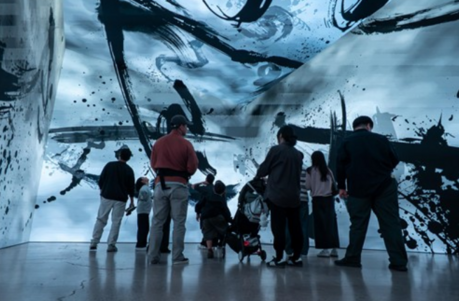
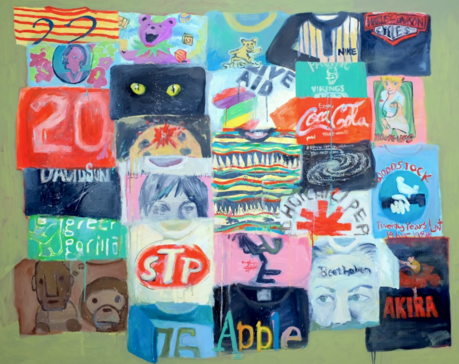
The 2025 exhibition calendar showcased The Box's commitment to diverse programming, featuring major shows like "Forbidden Territories: 100 Years of Surrealism," which drew international loans and critical acclaim. Contemporary artist Jyll Bradley's immersive installation "Running and Returning" explored themes of migration and belonging, resonating deeply with Plymouth's maritime heritage. The temporary display "Remember Respond Resist" featured Grayson Perry's provocative tapestries, examining British identity and social class. Beyond exhibitions, The Box hosted over 300 educational workshops, community forums, and artist talks, cementing its role as a civic space for dialogue and learning. The museum's late-night openings, featuring live music and performances, attracted younger demographics typically underrepresented in museum audiences.

The economic impact report released this year quantified The Box's contribution at £244 million to the local economy, factoring in visitor spending, job creation, and cultural tourism. This figure has become crucial evidence in advocacy efforts for public culture funding, as Plymouth City Council faces severe budget constraints like many local authorities across Britain. The museum's free admission policy, a core principle since opening, has proven particularly valuable for low-income families and students, though it creates ongoing financial pressure. Laing emphasizes that this accessibility is non-negotiable, arguing that culture should be a right rather than a privilege, especially in post-industrial communities rebuilding their identity.

Maintaining free entry while delivering high-quality programming presents what Laing calls a "continual conundrum." Local authority budgets remain "very, very tight," forcing cultural institutions to seek creative funding solutions through grants, corporate sponsorships, and philanthropic donations. The Box's success has made it a model for other cities struggling to justify cultural investment amid austerity measures. Its five-year impact report has been circulated among council leaders nationwide as evidence that strategic cultural funding yields substantial returns in both economic and social capital. The museum's ability to attract national touring exhibitions has also reduced programming costs while raising its profile.

Looking ahead, The Box plans to expand its digital archives and develop more co-curated exhibitions with community partners, including local schools and refugee organizations. Councilor Laing expresses confidence that the museum will continue to thrive, though she acknowledges that sustained advocacy at the national level is essential for long-term viability. The institution's success demonstrates that even in challenging fiscal environments, visionary cultural projects can become indispensable community assets. As The Box enters its sixth year, it stands as testament to Plymouth's commitment to positioning culture at the center of its regeneration strategy.


The Box, Plymouth's flagship museum and art gallery, has declared 2025 a "phenomenal year" as it reached the milestone of 1.1 million visitors since opening its doors five years ago during the Covid-19 pandemic. The cultural institution, owned and operated by Plymouth City Council, has defied expectations by becoming the heart of the city's artistic life despite launching amid lockdown restrictions and ongoing budget pressures. Over the past five years, The Box has mounted more than sixty exhibitions, establishing itself as a vital destination for both residents and tourists in Devon.

Opened in 2020 as the pandemic shuttered cultural venues worldwide, The Box faced unprecedented challenges in its inaugural years. The museum adapted quickly, developing robust digital programming and timed-entry systems that allowed safe visitation. This adaptive spirit laid the foundation for its current success, demonstrating that public institutions could thrive even in crisis. Councilor Jemima Laing, the cabinet member for culture, admits she never envisioned the level of success The Box would achieve, noting that it has exceeded all attendance projections and become an economic driver for the entire region. The museum's integrated approach, combining art, history, and natural history collections under one roof, has created a unique visitor experience that encourages repeat attendance.

The 2025 exhibition calendar showcased The Box's commitment to diverse programming, featuring major shows like "Forbidden Territories: 100 Years of Surrealism," which drew international loans and critical acclaim. Contemporary artist Jyll Bradley's immersive installation "Running and Returning" explored themes of migration and belonging, resonating deeply with Plymouth's maritime heritage. The temporary display "Remember Respond Resist" featured Grayson Perry's provocative tapestries, examining British identity and social class. Beyond exhibitions, The Box hosted over 300 educational workshops, community forums, and artist talks, cementing its role as a civic space for dialogue and learning. The museum's late-night openings, featuring live music and performances, attracted younger demographics typically underrepresented in museum audiences.

The economic impact report released this year quantified The Box's contribution at £244 million to the local economy, factoring in visitor spending, job creation, and cultural tourism. This figure has become crucial evidence in advocacy efforts for public culture funding, as Plymouth City Council faces severe budget constraints like many local authorities across Britain. The museum's free admission policy, a core principle since opening, has proven particularly valuable for low-income families and students, though it creates ongoing financial pressure. Laing emphasizes that this accessibility is non-negotiable, arguing that culture should be a right rather than a privilege, especially in post-industrial communities rebuilding their identity.

Maintaining free entry while delivering high-quality programming presents what Laing calls a "continual conundrum." Local authority budgets remain "very, very tight," forcing cultural institutions to seek creative funding solutions through grants, corporate sponsorships, and philanthropic donations. The Box's success has made it a model for other cities struggling to justify cultural investment amid austerity measures. Its five-year impact report has been circulated among council leaders nationwide as evidence that strategic cultural funding yields substantial returns in both economic and social capital. The museum's ability to attract national touring exhibitions has also reduced programming costs while raising its profile.

Looking ahead, The Box plans to expand its digital archives and develop more co-curated exhibitions with community partners, including local schools and refugee organizations. Councilor Laing expresses confidence that the museum will continue to thrive, though she acknowledges that sustained advocacy at the national level is essential for long-term viability. The institution's success demonstrates that even in challenging fiscal environments, visionary cultural projects can become indispensable community assets. As The Box enters its sixth year, it stands as testament to Plymouth's commitment to positioning culture at the center of its regeneration strategy.

WEEKLY HOTISSUE