


Gérard Wojtyczka, an 85-year-old architect and sculptor from Forbach, remains deeply committed to his creative pursuits, demonstrating that artistic passion does not diminish with age. Born in the northeastern French town near the German border, Wojtyczka has spent decades shaping both the physical and cultural landscape of his community through his dual artistic practices. His relentless dedication to creation serves as an inspiration to younger generations of artists in the region and challenges conventional notions about retirement and creativity. Despite his advanced age, Wojtyczka maintains a rigorous daily schedule in his studio, where architectural blueprints and clay sculptures stand as testaments to his enduring vision. Local residents have long admired his ability to blend structural precision with artistic expression in ways that reflect Forbach's unique industrial heritage. His story represents a powerful narrative about lifelong learning and the ageless nature of artistic expression that continues to resonate throughout the Grand Est region of France.
Wojtyczka's architectural career began in the post-war period when Forbach was rebuilding and modernizing its infrastructure after decades of industrial decline. He studied at the prestigious École des Beaux-Arts in Paris during the 1960s, where he developed his distinctive approach that harmonizes functional design with sculptural elements. Throughout his professional life, he has been responsible for numerous residential and commercial projects that have helped define Forbach's modern identity while respecting its historic character. His buildings often feature integrated artistic elements, including custom-designed facades and public spaces that incorporate his sculptural work. Many of his structures stand as landmarks throughout the town, appreciated by residents for their thoughtful integration into the existing urban fabric. His architectural philosophy emphasizes sustainability and community engagement, principles that were ahead of their time when he first began practicing.
As a sculptor, Wojtyczka works primarily in bronze and stone, creating pieces that explore themes of memory, labor, and transformation that resonate deeply with Forbach's mining history. His sculptures can be found in public squares, corporate collections, and private homes throughout the region, each piece reflecting his meticulous attention to form and texture. The artist often draws inspiration from the natural landscape of the Moselle valley and the industrial architecture that once dominated the local economy. His most celebrated works include a series of abstract pieces that reinterpret the tools and machinery of the mining industry into elegant, flowing forms. These sculptures serve as powerful reminders of the region's heritage while pointing toward future possibilities. Wojtyczka's artistic process involves extensive sketching and modeling before he begins the final piece, demonstrating the same methodical approach he applies to his architectural projects.
At 85, Wojtyczka credits his continued productivity to a disciplined lifestyle and an insatiable curiosity about materials and forms. He begins each day early, reviewing his current projects over coffee before heading to his studio, where he works for several hours without interruption. The artist believes that maintaining physical health through regular exercise and mental acuity through constant learning has allowed him to sustain his creative output. He regularly visits museums and galleries to stay current with contemporary developments while remaining true to his own artistic vision. His studio has become a gathering place for younger artists who seek his advice and mentorship, creating an intergenerational dialogue that enriches the local art scene. Wojtyczka often says that each new project teaches him something unexpected, keeping his work fresh and exciting even after decades of practice.
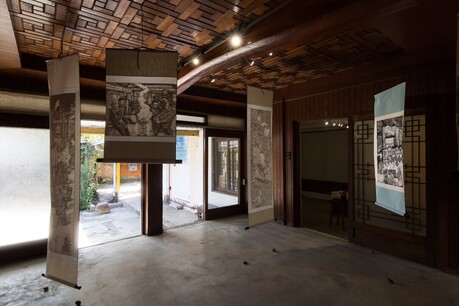
Community leaders in Forbach have recognized Wojtyczka's contributions through various honors and exhibitions of his work at local cultural institutions. A retrospective of his architectural drawings and sculptures was held last year at the town's cultural center, drawing visitors from across the region and generating renewed appreciation for his multifaceted career. The exhibition highlighted how his two disciplines inform each other, with architectural precision visible in his sculptures and artistic fluidity apparent in his building designs. Local schools regularly invite him to speak with students about pursuing creative careers, and his story has been featured in regional publications celebrating cultural heritage. The mayor of Forbach recently acknowledged Wojtyczka's role in enhancing the town's cultural identity during a ceremony honoring local artists. His legacy extends beyond his physical creations to the inspiration he provides to aspiring architects and sculptors.
Looking toward the future, Wojtyczka shows no signs of slowing down, with several projects currently in development that will further cement his reputation as a vital force in French regional art. He is currently designing a small cultural center that will serve as a bridge between Forbach's industrial past and its emerging identity as a hub for creative industries. Simultaneously, he is completing a series of bronze sculptures that will be installed in a new public park being developed on the site of a former coal processing facility. His continued productivity challenges societal assumptions about aging and creativity while demonstrating that artistic vision can deepen and mature over time. For the people of Forbach, Wojtyczka represents living proof that dedication to craft and community creates lasting value. His story serves as a powerful reminder that artistic passion, when nurtured throughout a lifetime, can continue to enrich both the creator and the community well into advanced age.