
Sayart.net - VIDEO: From Monet to Leonardo da Vinci—Cathedral Offers Immersive Journey Through Art History

  • December 29, 2025 (Mon)

VIDEO: From Monet to Leonardo da Vinci—Cathedral Offers Immersive Journey Through Art History

Sayart / Published December 29, 2025 03:00 AM
  • -
  • +
  • print

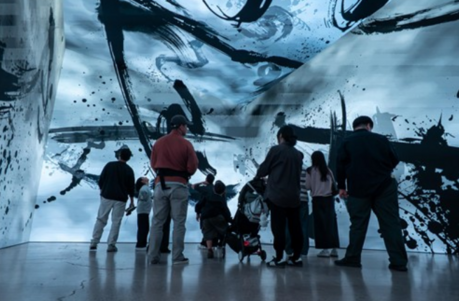
The Hôtel-Dieu du Puy-en-Velay, a historic cathedral in France's Auvergne region, has transformed its sacred space into an immersive art experience that transports visitors through five centuries of artistic masterpieces. This innovative digital exhibition projects iconic works from Claude Monet to Leonardo da Vinci onto the cathedral's ancient stone walls and vaulted ceilings, creating a mesmerizing fusion of classical architecture and cutting-edge technology. The installation, which runs for a limited engagement, represents a growing trend of using historic religious sites as canvases for contemporary digital art presentations. Visitors walk through the cathedral as familiar paintings dissolve and reappear in animated sequences, accompanied by a carefully curated musical soundtrack that enhances the emotional impact. The experience lasts approximately thirty minutes, taking attendees on a chronological journey from Renaissance innovations to Impressionist breakthroughs. Local officials hope this unique presentation will attract new audiences to appreciate both the cathedral's architectural significance and the timeless power of great art.

The exhibition features high-resolution projections of more than fifty masterpieces, including Leonardo's Mona Lisa and The Last Supper, Monet's Water Lilies series, and works by other canonical artists such as Michelangelo, Botticelli, and Van Gogh. Advanced mapping technology precisely conforms the digital images to the cathedral's intricate architectural details, making the building itself an active participant in the artistic narrative. The projections are so detailed that individual brushstrokes and canvas textures become visible, offering insights into the artists' techniques that are impossible to see in traditional museum settings. The experience is further enhanced by strategic lighting that highlights the cathedral's own medieval sculptures and architectural features between projection sequences. This careful integration ensures that the digital art complements rather than overwhelms the sacred space, creating a dialogue between historical periods and artistic mediums. The curators have deliberately selected works that explore themes of light, spirituality, and human creativity that resonate with the cathedral's religious function.

The technical implementation of this immersive experience required months of preparation and collaboration between digital artists, art historians, and preservation specialists. State-of-the-art projectors with exceptional color accuracy and brightness were installed without permanently altering the protected historic structure, using custom mounting systems that respect the building's integrity. The projection mapping software was calibrated to account for the cathedral's uneven stone surfaces and architectural irregularities, ensuring that images appear correctly proportioned from multiple viewing angles. Sound engineers designed a multi-channel audio system that creates an enveloping acoustic environment without damaging the medieval acoustics of the space. The entire installation operates on a carefully scheduled timetable to accommodate regular religious services, demonstrating respect for the cathedral's ongoing spiritual function. This technical achievement represents a new frontier in cultural heritage presentation, where technology serves to deepen rather than distract from artistic appreciation.

The Hôtel-Dieu du Puy-en-Velay provides a particularly meaningful setting for this immersive journey, as the site itself has been a center of pilgrimage and artistic expression for over a thousand years. Founded in the twelfth century, the cathedral complex has witnessed countless artistic movements and has preserved numerous medieval treasures within its walls. The decision to host this contemporary digital exhibition reflects a broader effort by religious institutions to remain relevant and accessible to modern audiences while preserving their historical legacy. The cathedral's administrators have reported increased visitor numbers since the installation opened, with many attendees experiencing the historic building for the first time. This convergence of sacred space and secular art creates unique opportunities for contemplation that transcend traditional museum experiences. The exhibition has sparked conversations about how historic sites can evolve as living cultural centers rather than static monuments to the past.

Visitor reactions to the immersive experience have been overwhelmingly positive, with many describing the presentation as emotionally moving and intellectually stimulating. Attendees report feeling a deeper connection to familiar artworks when they are experienced within the cathedral's spiritual atmosphere, where the play of light and shadow adds new dimensions to well-known images. Educational groups from across the Auvergne region have incorporated visits into their curricula, using the technology to engage students who might otherwise find traditional art history inaccessible. The exhibition has also attracted international tourists who combine their visit with exploration of the region's other cultural attractions, including the famous Le Puy-en-Velay cathedral and surrounding volcanic landscapes. Many visitors have noted that experiencing masterpieces in this context encourages them to see familiar paintings with fresh eyes and renewed appreciation. The success of this installation suggests that immersive digital experiences can serve as powerful gateways to deeper art historical understanding.

organizers plan to extend the exhibition's run and are considering similar installations at other historic sites throughout France. The project has attracted attention from cultural institutions across Europe, who see this model as a way to revitalize interest in both art history and architectural heritage. Discussions are underway to develop additional thematic programs that could explore specific artistic movements or regional artists using the same immersive technology. The cathedral's leadership emphasizes that these contemporary presentations will continue to respect the building's sacred character while embracing innovative approaches to cultural education. This successful fusion of ancient architecture and modern digital art points toward a future where technology and tradition collaborate to create transformative cultural experiences. As the exhibition continues to draw visitors, it stands as proof that great art can be experienced in endlessly innovative ways while maintaining its power to inspire and educate across generations.

The Hôtel-Dieu du Puy-en-Velay, a historic cathedral in France's Auvergne region, has transformed its sacred space into an immersive art experience that transports visitors through five centuries of artistic masterpieces. This innovative digital exhibition projects iconic works from Claude Monet to Leonardo da Vinci onto the cathedral's ancient stone walls and vaulted ceilings, creating a mesmerizing fusion of classical architecture and cutting-edge technology. The installation, which runs for a limited engagement, represents a growing trend of using historic religious sites as canvases for contemporary digital art presentations. Visitors walk through the cathedral as familiar paintings dissolve and reappear in animated sequences, accompanied by a carefully curated musical soundtrack that enhances the emotional impact. The experience lasts approximately thirty minutes, taking attendees on a chronological journey from Renaissance innovations to Impressionist breakthroughs. Local officials hope this unique presentation will attract new audiences to appreciate both the cathedral's architectural significance and the timeless power of great art.

The exhibition features high-resolution projections of more than fifty masterpieces, including Leonardo's Mona Lisa and The Last Supper, Monet's Water Lilies series, and works by other canonical artists such as Michelangelo, Botticelli, and Van Gogh. Advanced mapping technology precisely conforms the digital images to the cathedral's intricate architectural details, making the building itself an active participant in the artistic narrative. The projections are so detailed that individual brushstrokes and canvas textures become visible, offering insights into the artists' techniques that are impossible to see in traditional museum settings. The experience is further enhanced by strategic lighting that highlights the cathedral's own medieval sculptures and architectural features between projection sequences. This careful integration ensures that the digital art complements rather than overwhelms the sacred space, creating a dialogue between historical periods and artistic mediums. The curators have deliberately selected works that explore themes of light, spirituality, and human creativity that resonate with the cathedral's religious function.

The technical implementation of this immersive experience required months of preparation and collaboration between digital artists, art historians, and preservation specialists. State-of-the-art projectors with exceptional color accuracy and brightness were installed without permanently altering the protected historic structure, using custom mounting systems that respect the building's integrity. The projection mapping software was calibrated to account for the cathedral's uneven stone surfaces and architectural irregularities, ensuring that images appear correctly proportioned from multiple viewing angles. Sound engineers designed a multi-channel audio system that creates an enveloping acoustic environment without damaging the medieval acoustics of the space. The entire installation operates on a carefully scheduled timetable to accommodate regular religious services, demonstrating respect for the cathedral's ongoing spiritual function. This technical achievement represents a new frontier in cultural heritage presentation, where technology serves to deepen rather than distract from artistic appreciation.

The Hôtel-Dieu du Puy-en-Velay provides a particularly meaningful setting for this immersive journey, as the site itself has been a center of pilgrimage and artistic expression for over a thousand years. Founded in the twelfth century, the cathedral complex has witnessed countless artistic movements and has preserved numerous medieval treasures within its walls. The decision to host this contemporary digital exhibition reflects a broader effort by religious institutions to remain relevant and accessible to modern audiences while preserving their historical legacy. The cathedral's administrators have reported increased visitor numbers since the installation opened, with many attendees experiencing the historic building for the first time. This convergence of sacred space and secular art creates unique opportunities for contemplation that transcend traditional museum experiences. The exhibition has sparked conversations about how historic sites can evolve as living cultural centers rather than static monuments to the past.

Visitor reactions to the immersive experience have been overwhelmingly positive, with many describing the presentation as emotionally moving and intellectually stimulating. Attendees report feeling a deeper connection to familiar artworks when they are experienced within the cathedral's spiritual atmosphere, where the play of light and shadow adds new dimensions to well-known images. Educational groups from across the Auvergne region have incorporated visits into their curricula, using the technology to engage students who might otherwise find traditional art history inaccessible. The exhibition has also attracted international tourists who combine their visit with exploration of the region's other cultural attractions, including the famous Le Puy-en-Velay cathedral and surrounding volcanic landscapes. Many visitors have noted that experiencing masterpieces in this context encourages them to see familiar paintings with fresh eyes and renewed appreciation. The success of this installation suggests that immersive digital experiences can serve as powerful gateways to deeper art historical understanding.

organizers plan to extend the exhibition's run and are considering similar installations at other historic sites throughout France. The project has attracted attention from cultural institutions across Europe, who see this model as a way to revitalize interest in both art history and architectural heritage. Discussions are underway to develop additional thematic programs that could explore specific artistic movements or regional artists using the same immersive technology. The cathedral's leadership emphasizes that these contemporary presentations will continue to respect the building's sacred character while embracing innovative approaches to cultural education. This successful fusion of ancient architecture and modern digital art points toward a future where technology and tradition collaborate to create transformative cultural experiences. As the exhibition continues to draw visitors, it stands as proof that great art can be experienced in endlessly innovative ways while maintaining its power to inspire and educate across generations.

WEEKLY HOTISSUE