


Martin Parr, the celebrated British photographer known for his satirical and anthropological lens on modern life, has curated a deeply personal collection of images that he once imagined presenting at the Pearly Gates. This provocative concept forms the centerpiece of a major retrospective that examines not only Parr's distinctive vision but also the broader landscape of contemporary photography in 2025. The exhibition brings together decades of Parr's work while simultaneously serving as a gateway to understanding current trends in visual storytelling and photographic excellence. Visitors can expect to see his trademark exploration of consumer culture and social rituals through vibrant, unflinching compositions that have defined his career.
The photography world has been particularly vibrant this year, with numerous prestigious competitions recognizing extraordinary talent across diverse genres. The 40th Association of Photographers Awards recently announced winners, cementing its reputation as the 'Oscars of photography' by showcasing the very best of modern image-making. Meanwhile, the Wildlife Photographer of the Year competition selected 100 remarkable images from more than 60,000 global submissions, highlighting both technical mastery and powerful conservation narratives. Landscape photography has seen a compelling shift toward monochrome interpretations, with award-winning photographers discovering that removing color can reveal deeper emotional resonance in familiar desert vistas and mountain scenes. This trend reflects a growing appreciation for classical techniques among digital-age artists.
Educational resources for photographers have expanded significantly, with several seminal books offering unprecedented insight into legendary practitioners. New publications on Vivian Maier, the mysterious street photographer whose archive stunned the art world, provide fresh perspectives on one of photography's greatest stories. Daido Moriyama's 'Record 2' delivers a masterclass in street photography technique, while Joel Meyerowitz's instructional guide 'How I Make Photographs' allows emerging photographers to learn directly from one of the genre's most influential figures. These resources democratize knowledge that was once confined to elite circles, making professional techniques accessible to high school students and hobbyists alike. The availability of such materials has created a more informed generation of image-makers.
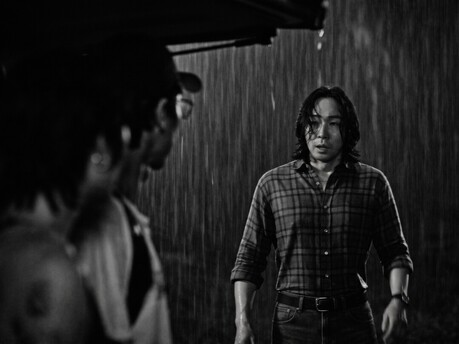
Current photographic trends reveal fascinating cultural shifts, particularly among younger generations. A viral movement surrounding passport photography has emerged among Gen Z, who are transforming these bureaucratic necessities into statements of identity and self-expression. This phenomenon speaks volumes about how digital natives approach image-making differently than their predecessors. Additionally, black and white photography has experienced a powerful renaissance, with world-class winners in major competitions proving that monochrome imagery retains its magic and emotional impact in an age saturated with color. Photographers are increasingly using this classic approach to strip away distractions and focus on raw composition and moment. The simplicity of monochrome forces viewers to confront the essence of the subject.
The convergence of these elements—retrospectives of masters like Parr, robust competition circuits, educational resources, and evolving aesthetic preferences—demonstrates photography's continued relevance as both art form and social commentary. As technology makes high-quality cameras more accessible and online platforms provide global audiences, the barriers to entry have never been lower. Yet the distinction between casual snapshots and meaningful photographic work remains clear, defined by intention, technique, and the ability to capture something essential about the human experience. Parr's imagined presentation at the Pearly Gates reminds us that every photograph is ultimately a reflection of how we choose to see and remember our world, making the medium more significant than ever in our visually-driven society.