

The year 2025 emerged as a transformative period for Luxembourg's cultural sector, marked by milestone celebrations, international breakthroughs, and significant artistic achievements that positioned the Grand Duchy firmly on Europe's creative map. From the thirtieth anniversary of a beloved music institution to historic wins at Cannes, the nation's artists and cultural organizations demonstrated remarkable resilience and innovation. The cultural landscape witnessed both triumphant moments of recognition and challenging controversies that sparked necessary conversations about artistic governance and representation. These developments collectively shaped a dynamic year that will undoubtedly influence the country's creative trajectory for years to come.
The music scene celebrated a major milestone as the Atelier, Luxembourg City's iconic music club, commemorated three decades of operation with an anniversary event that drew international attention. The celebration featured a surprise appearance by American singer Beth Ditto, who traveled specifically for the occasion, highlighting the venue's reputation beyond national borders. The Atelier's success story underscores the vital role of dedicated behind-the-scenes staff, with approximately a dozen employees working tirelessly to deliver some of the country's premier concert experiences. Meanwhile, DJ Nosi made history as the first Luxembourgish artist to perform at Tomorrowland, the world's most prestigious electronic music festival, fulfilling a dream he had nurtured for years. His achievement was complemented by fellow Luxembourg DJ Ogazón (Nathalie Faber), who also graced the Belgian festival's stages, despite the event facing a dramatic fire that destroyed the main stage just before opening.
Visual arts and royal portraiture captured public imagination throughout 2025, particularly surrounding the new Grand Duke Guillaume. The monarchy commissioned two distinct artistic interpretations: Roland Schauls served as court painter, spending eight months creating seven variants of the Grand Duke's portrait, with five presented to the royal couple for selection. Concurrently, British portraitist Louise Pragnell offered her own oil paintings of both Guillaume and Grand Duchess Stéphanie, presenting a more contemporary vision that resonated strongly with the public. The Luxembourg City History Museum executed a savvy acquisition of François Ferrière's 1783 painting 'Portrait of a Boy Wearing a Hat and Holding a Frame,' purchased from an American private collection through a clever strategy that saved taxpayer money while enriching the national heritage.
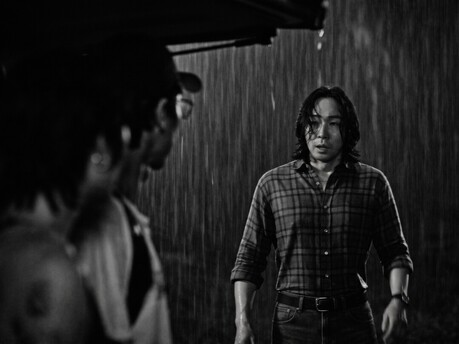
The film industry achieved unprecedented recognition when Luxembourgish co-production 'Un simple accident' by Iranian director Jafar Panahi won the Palme d'Or at Cannes, marking the first time a Luxembourg-involved film captured cinema's most coveted prize. The political drama, produced despite Panahi's status as a dissident in his homeland, showcased Luxembourg's growing influence in international cinema. Domestically, the LuxFilmFest spotlighted actress Désirée Nosbusch, who celebrated her sixtieth birthday while presenting her directorial debut feature 'Poison,' starring Tim Roth. Nosbusch's multifaceted year included moderating the throne transition ceremony and receiving an ARTE thematic evening tribute, cementing her status as one of Luxembourg's most versatile cultural ambassadors.
However, 2025 also exposed underlying tensions within the cultural infrastructure. The Bünepräisser awards, the country's prestigious dance and theater prizes, generated intense debate when organizational flaws emerged. The jury was assembled too late, member Marc Baum resigned before nominations were announced, and potential conflicts of interest surfaced when Jérôme Konen, director of Mamer Kinneksbond, participated in judging categories where his venue had multiple nominations. Writers felt particularly overlooked as the medium of text received no dedicated recognition. The controversy prompted Culture Minister Eric Thill to announce reforms for the 2027 edition, acknowledging that improvements were necessary to maintain the awards' credibility and inclusivity.
Looking toward 2026, Luxembourg's cultural sector stands at a crossroads of opportunity and transition. The Luxembourg Philharmonic welcomed Martin Rajna as its new chief conductor, succeeding the highly respected Gustavo Gimeno, with Rajna's first performances scheduled for March 2026 offering early glimpses of his interpretive style. Meanwhile, the ongoing dispute between artist collective Richtung22 and cultural management organization frEsch over the Bâtiment4 space remained unresolved, with legal proceedings postponed and the collective temporarily remaining in place. These challenges, combined with the year's successes, suggest that Luxembourg's cultural community is maturing, ready to address growing pains while building on its impressive international achievements. The foundation laid in 2025 promises a more robust and self-aware creative ecosystem in the years ahead.