
Sayart.net - Penn State Museum Explores Digital Identity Through Interactive Art Installation

  • January 02, 2026 (Fri)

Penn State Museum Explores Digital Identity Through Interactive Art Installation

Sayart / Published January 2, 2026 12:23 AM
  • -
  • +
  • print

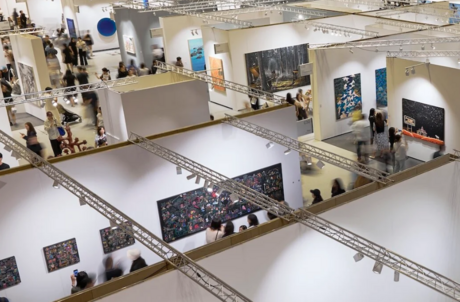
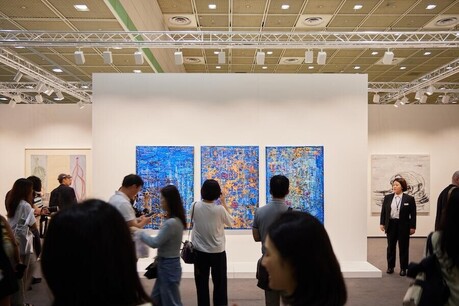
The Palmer Museum of Art at Pennsylvania State University has launched a groundbreaking new exhibition that examines the intersection of technology and human identity in the modern digital landscape. The installation, titled "Verified: Humanity in the Age of Algorithms," features works from fifteen international artists who explore themes of online authentication, digital privacy, and what it means to prove one's humanity to machines. The exhibition opened to the public last Thursday and will run through the end of the spring semester, drawing significant attention from both the academic community and art enthusiasts across the region.

Curator Dr. Jennifer Martinez explained that the idea for the exhibition emerged from observing how commonplace digital verification processes have become in everyday life. The artists were asked to interpret the concept of "I am not a robot" checks and security protocols that millions of people encounter daily. The resulting collection includes interactive sculptures, digital paintings, video installations, and even a virtual reality experience that simulates the frustration of being trapped in an endless loop of security verifications. Each piece challenges visitors to consider the invisible boundaries between human consciousness and artificial intelligence.

One of the most talked-about pieces in the exhibition is a large-scale installation by Brooklyn-based artist David Chen, which uses motion sensors and facial recognition technology to create a portrait that evolves based on viewer interaction. As visitors approach, the system attempts to "verify" their humanity through a series of tests, while simultaneously questioning the validity of such assessments. Another powerful work by French digital artist Marie Dubois projects real-time data from actual security servers onto gallery walls, creating an ever-changing visual representation of global verification attempts happening every second.

The museum has also incorporated educational programming to accompany the visual displays, including weekly panel discussions featuring computer scientists, ethicists, and contemporary artists. These conversations explore the broader implications of digital gatekeeping in modern society and its impact on accessibility to online spaces. High school and college students have been particularly engaged with the exhibition, as they represent the first generation to have grown up entirely within a world of passwords, two-factor authentication, and biometric scanning.

Visitor response has been overwhelmingly positive, with many guests reporting that the exhibition has fundamentally changed how they think about their daily digital interactions. The museum has extended its hours on weekends to accommodate the unexpected surge in attendance, and plans are already underway to create a traveling version of the exhibition that could visit other university campuses across the country. The success of "Verified" demonstrates the growing appetite for contemporary art that directly engages with the technological realities shaping modern existence.

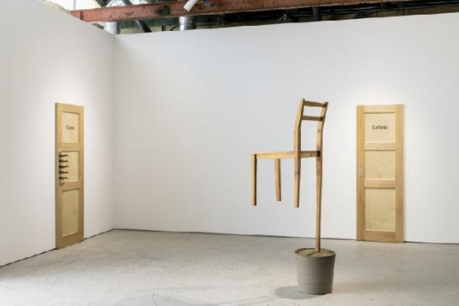
The Palmer Museum of Art at Pennsylvania State University has launched a groundbreaking new exhibition that examines the intersection of technology and human identity in the modern digital landscape. The installation, titled "Verified: Humanity in the Age of Algorithms," features works from fifteen international artists who explore themes of online authentication, digital privacy, and what it means to prove one's humanity to machines. The exhibition opened to the public last Thursday and will run through the end of the spring semester, drawing significant attention from both the academic community and art enthusiasts across the region.

Curator Dr. Jennifer Martinez explained that the idea for the exhibition emerged from observing how commonplace digital verification processes have become in everyday life. The artists were asked to interpret the concept of "I am not a robot" checks and security protocols that millions of people encounter daily. The resulting collection includes interactive sculptures, digital paintings, video installations, and even a virtual reality experience that simulates the frustration of being trapped in an endless loop of security verifications. Each piece challenges visitors to consider the invisible boundaries between human consciousness and artificial intelligence.

One of the most talked-about pieces in the exhibition is a large-scale installation by Brooklyn-based artist David Chen, which uses motion sensors and facial recognition technology to create a portrait that evolves based on viewer interaction. As visitors approach, the system attempts to "verify" their humanity through a series of tests, while simultaneously questioning the validity of such assessments. Another powerful work by French digital artist Marie Dubois projects real-time data from actual security servers onto gallery walls, creating an ever-changing visual representation of global verification attempts happening every second.

The museum has also incorporated educational programming to accompany the visual displays, including weekly panel discussions featuring computer scientists, ethicists, and contemporary artists. These conversations explore the broader implications of digital gatekeeping in modern society and its impact on accessibility to online spaces. High school and college students have been particularly engaged with the exhibition, as they represent the first generation to have grown up entirely within a world of passwords, two-factor authentication, and biometric scanning.

Visitor response has been overwhelmingly positive, with many guests reporting that the exhibition has fundamentally changed how they think about their daily digital interactions. The museum has extended its hours on weekends to accommodate the unexpected surge in attendance, and plans are already underway to create a traveling version of the exhibition that could visit other university campuses across the country. The success of "Verified" demonstrates the growing appetite for contemporary art that directly engages with the technological realities shaping modern existence.
WEEKLY HOTISSUE