


The first quarter of 2026 promises an exceptional lineup of museum exhibitions spanning the United States, featuring innovative collaborations and classic art pairings that will attract visitors from around the world. Among the most anticipated shows is a groundbreaking sonic partnership between the Los Angeles Philharmonic and the Museum of Contemporary Art (MOCA), which will merge live orchestral performance with immersive visual art installations. Additionally, art enthusiasts can look forward to a major exhibition pairing the works of Édouard Manet and Berthe Morisot, two pivotal figures in the Impressionist movement whose artistic and personal relationship shaped nineteenth-century French painting. These flagship exhibitions represent just a fraction of the thirteen unmissable shows scheduled to open from January through March 2026.
The Los Angeles Philharmonic and MOCA collaboration represents a bold experiment in interdisciplinary art, breaking down traditional barriers between music and visual media. This innovative project will likely feature specially commissioned compositions performed live within gallery spaces, where musicians and artworks interact in real-time. The LA Phil, under the leadership of its dynamic conducting team, has a history of pushing artistic boundaries, while MOCA is renowned for its cutting-edge contemporary collections. Visitors can expect an immersive experience that challenges conventional museum etiquette and concert hall formality. The exhibition will probably include interactive elements allowing attendees to influence both the musical and visual components, creating a unique sensory environment that changes with each performance.
The Manet-Morisot pairing offers a deep dive into one of art history's most fascinating mentorships and creative partnerships. Édouard Manet, the revolutionary painter who scandalized Parisian society with works like "Olympia" and "Le Déjeuner sur l'herbe," recognized and nurtured the extraordinary talent of his sister-in-law Berthe Morisot. Morisot, one of the few women at the heart of the Impressionist circle, brought her own distinctive voice to the movement with her luminous scenes of domestic life and modern Parisian women. This exhibition will likely place their works side by side, revealing the dialogue between their artistic visions and the ways they influenced each other's brushwork, composition, and subject matter. Curators may also explore how their close relationship—Morisot married Manet's brother Eugène—affected their artistic output and professional opportunities.
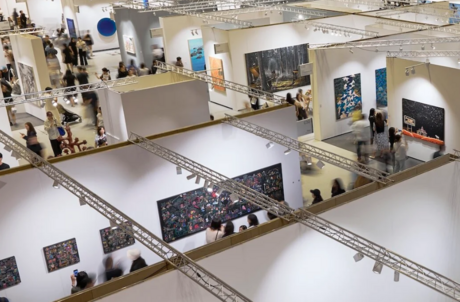
Beyond these headline-grabbing shows, the thirteen exhibitions represent a coast-to-coast cultural renaissance that will transform museums into vital community gathering spaces during the winter months. From New York to San Francisco, and from Chicago to Miami, institutions are programming shows that reflect America's diverse artistic heritage and contemporary concerns. These exhibitions will feature everything from Indigenous art and African American history to digital installations and environmental activism. The geographic spread ensures that regardless of where you live, a world-class museum experience will be within reach, making high culture accessible without expensive international travel.
The timing of these exhibitions is strategically significant for both the art world and local economies. January through March typically represents a slower period for tourism, and major museum shows help drive hotel bookings, restaurant reservations, and retail sales in host cities. For the museums themselves, these blockbuster exhibitions attract new memberships, increase donations, and generate media attention that benefits their year-round programming. Educational institutions will take advantage of these shows, organizing field trips that inspire the next generation of artists, historians, and critical thinkers. The economic ripple effect extends to employment opportunities for security staff, educators, conservators, and guest curators.
Art lovers should start planning their visits now, as these exhibitions will likely draw large crowds and advance ticket purchases may be necessary. Many museums will offer virtual tours and online programming for those unable to travel, democratizing access to these cultural treasures. The diversity of the thirteen shows ensures that whether your interest lies in classical painting, contemporary multimedia, or historical artifacts, there will be something to captivate your imagination. These exhibitions collectively demonstrate the enduring power of museums to educate, inspire, and connect us across time and geography.