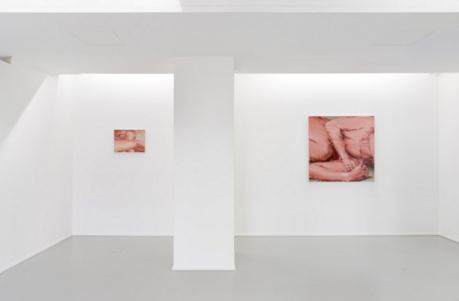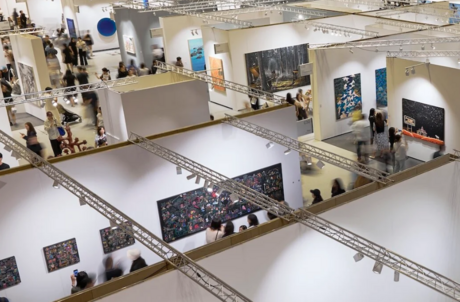



In an unexpected development that has generated considerable buzz throughout Hamburg's art community, the modest Kleine Gegenwart gallery, located at Hallerplatz in the city's historic Grindel district, will present a rare exhibition of authentic works by Pablo Picasso. The show, appropriately titled "Durch Zufall" ("By Chance"), is scheduled to open on January 15, marking a landmark moment for the intimate gallery and its director, Jonathan Schneider. Securing genuine Picasso pieces represents an extraordinary accomplishment for a gallery of this scale and offers area residents an uncommon opportunity to experience masterpieces by one of history's most influential artists without traveling to a major metropolitan museum.
Kleine Gegenwart, which translates from German as "Small Presence," has established itself as a thoughtfully curated space within Hamburg's diverse cultural landscape since its founding. Nestled in the Grindel district—a neighborhood celebrated for its rich Jewish heritage and long-standing tradition as a haven for intellectuals and creative professionals—the gallery typically focuses on emerging and mid-career contemporary artists. The decision to feature Picasso, whose name is synonymous with 20th-century modernism, signals both the gallery's rising profile and the increasingly dynamic character of Hamburg's art scene. The Grindel area itself has experienced significant cultural renewal in recent years, evolving from a quiet residential quarter into a vibrant destination for galleries, studios, and creative enterprises.
The exhibition's title reflects the remarkable and unplanned nature of this cultural coup. Gallery owner Jonathan Schneider explains that the opportunity to display these Picasso works materialized through an unforeseen chain of personal connections and fortuitous timing rather than through a deliberate, years-long pursuit. While Schneider has remained discreet about the specific provenance and the private collection lending the pieces, he emphasizes that the exhibition came together through relationships nurtured over his career in the international art world. This serendipitous turn of events highlights how crucial personal networks and chance encounters remain in an art market where works by masters like Picasso are typically sequestered in institutional vaults or the residences of wealthy collectors, rarely accessible to smaller commercial venues.
For a neighborhood gallery like Kleine Gegenwart to exhibit authentic Picasso works is virtually unprecedented in today's art world. Pablo Picasso (1881-1973) fundamentally transformed visual arts through his co-creation of Cubism and his relentless innovation across painting, sculpture, printmaking, and ceramics. His pieces command astronomical sums at auction, with major works selling for hundreds of millions of dollars, and his artistic legacy continues to shape contemporary visual culture globally. Presenting his authentic creations in an accessible, intimate setting democratizes high art, enabling visitors to engage with historically significant pieces in an environment that feels personal and approachable—strikingly different from the often imposing atmosphere of large museums.
The opening reception on January 15 is anticipated to attract collectors, critics, and art enthusiasts from across northern Germany and beyond. Although the gallery has not published a comprehensive catalog of the exhibited works, the show will reportedly feature a selection of prints and drawings representing various periods of Picasso's seven-decade career. This chronological span should provide viewers with valuable insight into the artist's stylistic evolution, from his early academic training through his revolutionary Cubist breakthroughs and into his later, more expressive phases. Details regarding the exhibition's duration and specific viewing hours have not yet been announced, though the gallery's limited square footage suggests that timed entry or appointment-based viewings may be implemented to ensure appropriate security and optimal viewing conditions for these valuable works.
The Picasso exhibition at Kleine Gegenwart stands as compelling evidence of Hamburg's growing significance within the international art community and demonstrates the potential for smaller galleries to make meaningful cultural contributions. For Schneider and his small team, this moment represents both affirmation of their curatorial vision and a profound responsibility to present these masterworks with suitable scholarly context and care. As the January 15 opening approaches, the show has already sparked broader discussions about art world accessibility and the vital role that neighborhood galleries play in cultivating local cultural dialogue. Whether this marks the beginning of more ambitious programming for Kleine Gegenwart or remains a singular, fortunate occurrence, the exhibition undeniably enriches Hamburg's cultural landscape and provides an exceptional opportunity for the community to connect with artistic greatness in their own neighborhood.