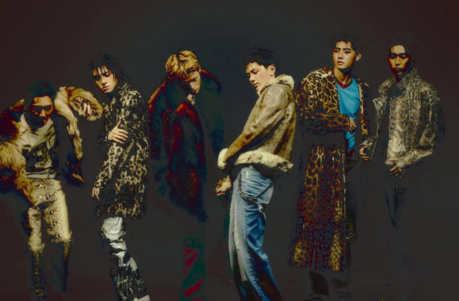



A daring art theft has shocked the cultural community in Bayonne, where five photographs by renowned artist Maï Lucas were stolen from an outdoor street exhibition organized by Galerie Kaxu. The stolen works, which were part of a public art display, documented the early origins of hip-hop culture in France and represented significant historical and artistic value.
The theft occurred on Rue des Lisses, where the photographs had been displayed as part of an innovative street exhibition format. The stolen artworks were part of Lucas's celebrated collection that chronicles the birth and development of hip-hop movement in France, making her one of the few photographers to witness and document this cultural phenomenon from its earliest stages. These images serve as crucial historical documentation of a pivotal moment in French urban culture.
Investigators believe the theft was carried out by well-organized perpetrators, given the size and dimensions of the stolen photographs. The scale of the artwork would have required careful planning and coordination to remove from the public display without detection. This suggests the theft was not a crime of opportunity but rather a calculated operation targeting these specific pieces.
Since Saturday, November 29th, a message in white letters on a black background has occupied the wall on Rue des Lisses where three of the photographs were originally displayed. The message, signed by Galerie Kaxu, serves as both a memorial to the lost artworks and a statement about the incident. Gallery representatives characterized the theft as "more a gesture of passion than profit," suggesting the perpetrators may have been motivated by appreciation for the art rather than purely financial gain.
The theft highlights the ongoing challenges faced by galleries attempting to make art accessible through public exhibitions. While street displays democratize access to important cultural works, they also create vulnerabilities that traditional indoor galleries can better protect against. The loss of these historically significant photographs represents not just a financial blow to the gallery and artist, but also a cultural loss for the community and researchers studying the evolution of hip-hop in France.