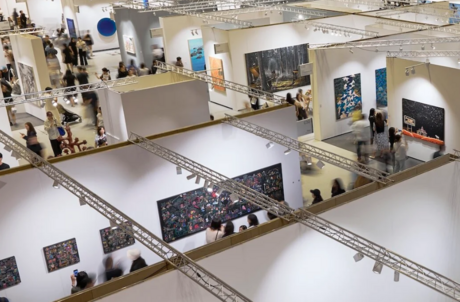



The Korean Cultural Center in Hungary is celebrating over a decade of cultural exchange with a comprehensive exhibition titled "Echoes of Korea in Hungary," highlighting the remarkable growth and impact of Korean cultural programs in the country. Since opening its doors in 2012, the center has become a vibrant hub for Korean culture, transforming from a modest beginning into a thriving community institution that now serves nearly 15,000 active participants annually.
The center's journey began with just three core programs in 2012: Korean gastronomy (hansik), calligraphy, and taekwondo. Over the past decade, this modest start has expanded dramatically into a comprehensive cultural program offering more than 1,600 sessions each year. The curriculum now encompasses a wide range of activities spanning traditional crafts, music and dance, sports, and modern pop culture, demonstrating the growing Hungarian interest in Korean culture across all generations.
Beyond its main Budapest headquarters, the Korean Cultural Center has extended its reach to other parts of Hungary, including calligraphy classes at the Talentum School in Tata. This expansion reflects the center's commitment to making Korean culture accessible to communities throughout the country. The program's success is perhaps best illustrated by the fact that many current instructors are former students who discovered their passion for Korean culture through the center's courses.
The transformation of students into teachers represents one of the most significant achievements of the cultural exchange program. Hungarian participants who initially joined as curious learners have developed into skilled instructors, now passing on their knowledge and enthusiasm to new generations of students. This organic growth demonstrates the deep and lasting impact of the cultural programs on the Hungarian community.
The "Echoes of Korea in Hungary" exhibition serves as both a celebration of this remarkable journey and a showcase of traditional Korean arts. Rather than being a simple display, the exhibition represents the complete cycle of cultural exchange, where shared appreciation for art creates lasting bonds and students eventually become masters themselves. The exhibition features works from four distinct traditional Korean art forms, each offering visitors unique insights into Korea's rich cultural heritage.
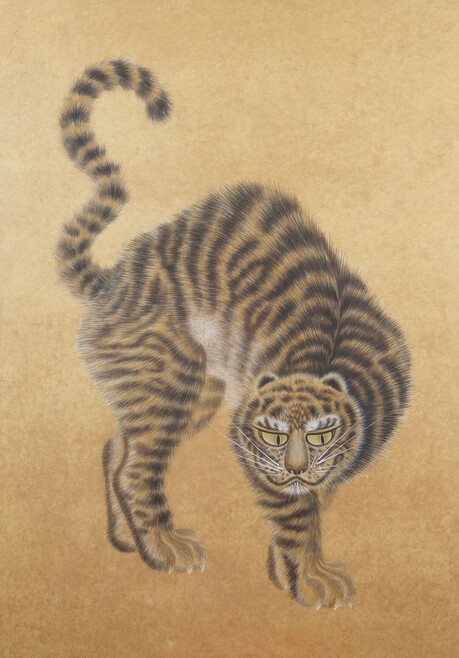
Visitors to the exhibition can explore folk painting (Minhwa), known for its vibrant colors and symbolic meanings that reflect Korean traditional beliefs and values. The Korean calligraphy section demonstrates the artistic beauty of Korean writing, where each stroke carries both meaning and aesthetic value. The patchwork section features Jogakbo, the traditional Korean art of creating beautiful designs from fabric scraps, representing resourcefulness and creativity. Finally, the handicraft section showcases works made using Korean paper (Hanji) and traditional knots (Maedeup), highlighting the intricate craftsmanship that characterizes Korean traditional arts.
The exhibition is open to the public free of charge and will run until March 13, 2026, during the center's regular operating hours. This extended timeline ensures that both regular visitors and newcomers to Korean culture will have ample opportunity to experience these traditional art forms firsthand. The Korean Cultural Center continues to serve as a bridge between Korean and Hungarian cultures, fostering understanding and appreciation through hands-on learning and artistic expression.