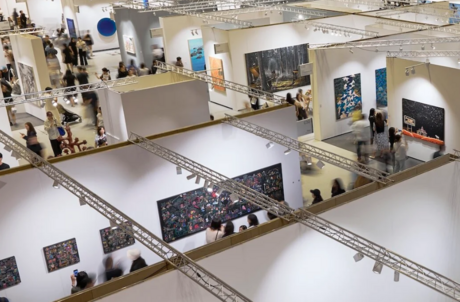



The National Gallery Singapore has unveiled a major new exhibition that spotlights the groundbreaking contributions of five pioneering women artists from Southeast Asia. The show, which opened earlier this month, features works spanning five decades and multiple mediums, offering visitors a comprehensive look at how these artists challenged societal norms and artistic conventions. The exhibition aims to address the historical underrepresentation of women in the region's art history. Curators spent three years researching and gathering pieces from private and public collections across Asia and Europe. The five artists were selected based on their innovative approaches and lasting influence on subsequent generations.
Women artists in Southeast Asia faced unique challenges during the mid-to-late 20th century, including limited access to formal art education and cultural expectations about their roles in society. Despite these obstacles, the featured artists developed distinctive visual languages that reflected their diverse cultural backgrounds and personal experiences. Their work often addressed themes of identity, colonialism, tradition versus modernity, and gender politics. Many of them studied abroad but returned to their home countries to build artistic communities. Their perseverance paved the way for younger women artists throughout the region.
The exhibition showcases Amanda Heng from Singapore, known for her performance and installation work that explores female identity in urban contexts. Thai artist Araya Rasdjarmrearnsook contributes her powerful video installations examining death and social hierarchy. From the Philippines, Brenda Fajardo's paintings incorporate indigenous symbols and folk narratives to comment on political issues. Indonesian artist Nunung WS presents her abstract compositions inspired by traditional textiles. Malaysian artist Yee I-Lann contributes her photographic montages addressing historical memory and cultural identity.
Each artist's section includes major works, sketchbooks, photographs, and documentary materials that provide insight into their creative processes. The gallery has designed immersive spaces that reflect each artist's cultural context and artistic vision. Interactive displays allow visitors to explore the artists' techniques and influences in greater depth. The exhibition also features a timeline showing parallel developments in Southeast Asian history and women's rights movements. Educational programs accompany the show, including artist talks and workshops.
The curatorial team emphasized that this exhibition is part of a broader institutional commitment to diversifying the art historical narrative. Southeast Asia's art history has traditionally focused on male artists and Western influences. By centering these women artists, the gallery challenges conventional art historical frameworks. The show reveals how these artists created networks of support and mentorship despite working in different countries. Their international exposure helped put Southeast Asian art on the global map.
The exhibition will run for four months and is expected to draw both local and international visitors. A fully illustrated catalogue includes scholarly essays and interviews with the artists or their estates. The National Gallery Singapore hopes this show will inspire other institutions to reexamine their collections and highlight overlooked artists. The exhibition demonstrates that recognizing women artists is not just about correcting historical omissions but about enriching our understanding of art itself.