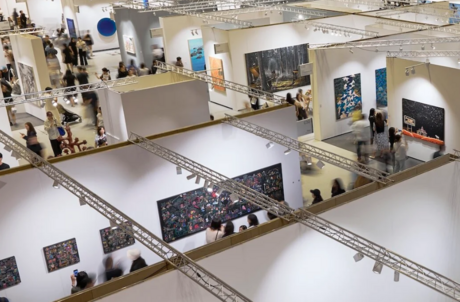



The National Museum of Korea is on track to achieve a historic milestone by welcoming over 6 million visitors in a single year for the first time since its establishment in 1945. As of November 30, the museum has already recorded 5,814,265 visitors this year, and officials expect to surpass the 6-million mark as early as next week at the current pace.
This achievement would represent the highest annual attendance in the museum's 80-year history, marking a significant cultural milestone for South Korea's premier cultural institution. The museum was originally founded on December 3, 1945, and has steadily grown in both size and popularity over the decades.
The remarkable growth becomes even more impressive when viewed in historical context. Since opening its doors eight decades ago, the museum has now welcomed a cumulative total of just over 100 million visitors. Museum officials highlight that annual visitor numbers have increased 46-fold since the institution's founding, while its collection has expanded ninefold and its physical facilities have grown 21 times in size.
Museum leadership attributes this steady growth to decades of careful development and strategic planning, which has helped establish the institution among the world's top five museums and solidified its position as a central hub of Korean culture. According to data from The Art Newspaper, a respected British art publication, the National Museum of Korea now ranks alongside global giants in terms of visitor numbers.
The 2024 visitor rankings from The Art Newspaper show the Louvre Museum leading worldwide with 8.74 million visitors, followed by the Vatican Museums with 6.83 million, the British Museum with 6.48 million, and the Metropolitan Museum of Art with 5.73 million visitors. The National Museum of Korea's projected 6 million visitors would place it in elite company among these world-renowned institutions.
The recent surge in visitors is largely attributed to the global boom in interest in Korean culture, a phenomenon that has been significantly amplified by popular media and cultural exports. The Netflix animated film "KPop Demon Hunters" has played a particularly important role in driving international attention to Korean cultural artifacts and traditions represented in the museum's collections.
The museum's branded merchandise line, known as MU:DS, has become a major attraction in its own right, contributing significantly to both visitor numbers and revenue. During the peak popularity of "KPop Demon Hunters," merchandise items directly inspired by imagery from the film created unprecedented demand among visitors and online shoppers.
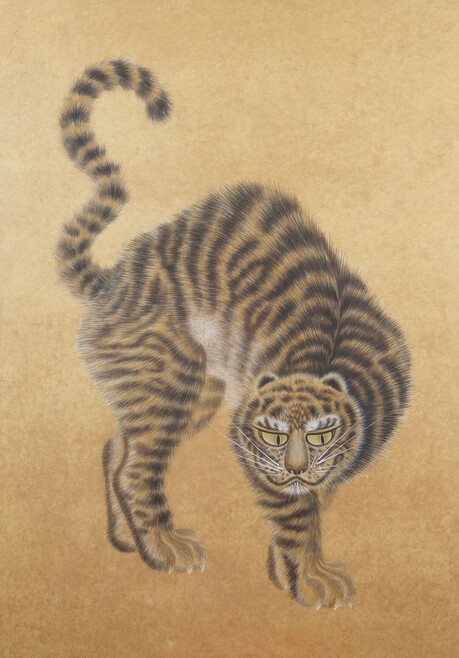
Particularly popular items included a tiger-and-magpie badge that closely resembles characters from the film, specifically "Derpy and the three-eyed magpie." This design represents a playful modern interpretation of traditional pairings commonly found in Joseon-era minhwa folk paintings. Additionally, replicas of the traditional gat (Korean hat) worn by the fictional "Saja Boys" from the animated series sold out almost immediately upon release, creating buying frenzies both in-store and online.
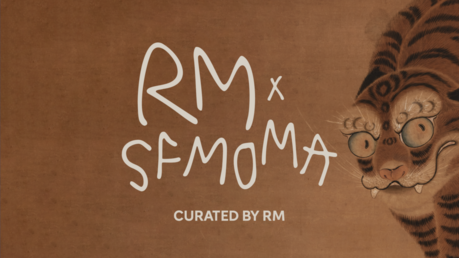
The MU:DS merchandise line had already established a strong following before the Netflix film's release, with items like a miniature replica of the famous pensive bodhisattva statue gaining particular attention. This statue replica became especially sought-after due to its connection to RM, a member of the globally popular K-pop group BTS, who is known to own a similar piece.
The financial success of the merchandise program has been substantial, according to official reports from the National Museum Foundation. Sales figures released on October 31 revealed that MU:DS products generated approximately 30.64 billion won in revenue from January through October of this year alone, demonstrating the significant commercial potential of culturally-inspired merchandise.
This record-breaking year represents more than just impressive visitor statistics; it symbolizes the growing global recognition of Korean cultural heritage and the museum's successful efforts to make traditional Korean art and artifacts accessible and appealing to both domestic and international audiences. The combination of traditional cultural preservation with modern marketing strategies and popular media tie-ins has created a new model for museum engagement in the digital age.