
Sayart.net - Bastia′s Arsenal Museum Presents Comprehensive Retrospective of Dominique Degli Esposti

  • January 09, 2026 (Fri)

Bastia's Arsenal Museum Presents Comprehensive Retrospective of Dominique Degli Esposti

Sayart / Published January 8, 2026 08:45 AM
  • -
  • +
  • print

The Arsenal exhibition hall in Bastia, Corsica, is currently hosting a major retrospective celebrating the life and work of Dominique Degli Esposti, the influential multidisciplinary artist who passed away last year. The comprehensive showcase traces six decades of creative output, offering visitors an unprecedented look at his profound contributions to Corsican culture. Running through January 23, the exhibition features paintings, photographs, videos, and performance documentation that reveal the breadth of his artistic vision. Curator Vannina Bernard-Leoni has organized the works thematically to illuminate the artist's evolving style and preoccupations. The posthumous tribute represents the most extensive survey of Esposti's career ever assembled.

Born in Venzolasca to Italian immigrant parents, Dominique Degli Esposti emerged as a pivotal figure in Corsica's cultural renaissance during the 1970s. His work spanned multiple mediums including painting, theater, cinema, photography, and performance art, refusing easy categorization. Esposti became particularly known for his bold interpretations of Corsican identity during the Riacquistu movement, which sought to reclaim and revitalize island culture from French assimilation. His approachable style and prolific output made his images ubiquitous throughout Corsica, often reproduced as posters without public recognition of their creator. The artist's ability to blend traditional motifs with contemporary sensibilities distinguished his practice from his contemporaries.

The exhibition prominently features Esposti's iconic Testa Mora series, which reimagines the Moor's head symbol across various media and formats. This motif, deeply rooted in Corsican history and flag imagery, became a vehicle for exploring questions of identity, belonging, and cultural memory. Vannina Bernard-Leoni notes that Esposti transformed folk imagery into powerful cultural icons, sometimes approaching the subject with humor and mischief. His interpretations balanced reverence for tradition with critical contemporary perspectives on what it means to be Corsican. The works resonate with island residents because they capture both pride and complexity in Corsican heritage without romanticizing the past.

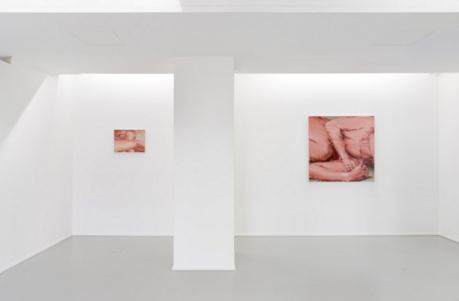
Another major focus of the retrospective examines Esposti's exploration of love, desire, and human relationships in all their manifestations. His works range from sublime romantic expressions to transgressive investigations of power dynamics and domination. The artist approached these intimate subjects with a distinctive smile and sense of irony, acknowledging both beauty and absurdity in human passion. Some pieces challenge conventional morality while maintaining a sense of playfulness that prevents them from becoming preachy. Bernard-Leoni emphasizes that Esposti's treatment of intimacy always contained multiple layers of meaning, inviting viewers to look beyond surface interpretations.

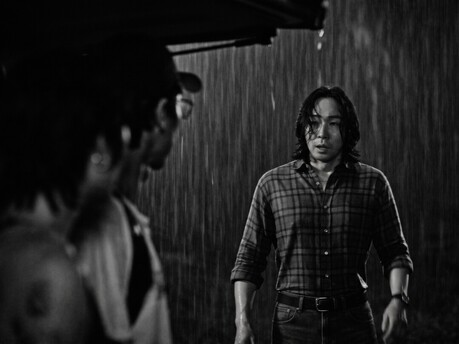
The exhibition highlights Brusgiature, Esposti's groundbreaking 1972 film shot on Nonza beach when he was just 25 years old and full of experimental energy. Friend and supporter Michel Rossi recalls the production's improvisational spirit, comparing their modest efforts to auteurs like Antonioni, Pasolini, and Fellini using borrowed equipment. The film will be screened at Bastia's Régent cinema on January 13 as part of the retrospective's special events. Throughout his career, Esposti refused artistic boundaries, moving fluidly between disciplines with remarkable ease. His photography captured everyday Corsican life with poetic intensity, while his performances challenged audience expectations about art and tradition.

Mattea Lacave, Bastia's deputy for cultural affairs, describes Esposti's work as immense and filled with love, benevolence, and altruism toward his island community. The exhibition at the Arsenal runs through January 23, providing a final opportunity to experience the breadth of his creative vision in one location. Brusgiature's screening at Le Régent cinema on January 13 offers a rare chance to view his cinematic achievement on the big screen. The retrospective ensures that Esposti's contributions to Corsican culture will be recognized and studied by future generations. His ability to create contemporary work deeply rooted in cultural specificity remains an inspiration for young artists across the Mediterranean region.

The Arsenal exhibition hall in Bastia, Corsica, is currently hosting a major retrospective celebrating the life and work of Dominique Degli Esposti, the influential multidisciplinary artist who passed away last year. The comprehensive showcase traces six decades of creative output, offering visitors an unprecedented look at his profound contributions to Corsican culture. Running through January 23, the exhibition features paintings, photographs, videos, and performance documentation that reveal the breadth of his artistic vision. Curator Vannina Bernard-Leoni has organized the works thematically to illuminate the artist's evolving style and preoccupations. The posthumous tribute represents the most extensive survey of Esposti's career ever assembled.

Born in Venzolasca to Italian immigrant parents, Dominique Degli Esposti emerged as a pivotal figure in Corsica's cultural renaissance during the 1970s. His work spanned multiple mediums including painting, theater, cinema, photography, and performance art, refusing easy categorization. Esposti became particularly known for his bold interpretations of Corsican identity during the Riacquistu movement, which sought to reclaim and revitalize island culture from French assimilation. His approachable style and prolific output made his images ubiquitous throughout Corsica, often reproduced as posters without public recognition of their creator. The artist's ability to blend traditional motifs with contemporary sensibilities distinguished his practice from his contemporaries.

The exhibition prominently features Esposti's iconic Testa Mora series, which reimagines the Moor's head symbol across various media and formats. This motif, deeply rooted in Corsican history and flag imagery, became a vehicle for exploring questions of identity, belonging, and cultural memory. Vannina Bernard-Leoni notes that Esposti transformed folk imagery into powerful cultural icons, sometimes approaching the subject with humor and mischief. His interpretations balanced reverence for tradition with critical contemporary perspectives on what it means to be Corsican. The works resonate with island residents because they capture both pride and complexity in Corsican heritage without romanticizing the past.

Another major focus of the retrospective examines Esposti's exploration of love, desire, and human relationships in all their manifestations. His works range from sublime romantic expressions to transgressive investigations of power dynamics and domination. The artist approached these intimate subjects with a distinctive smile and sense of irony, acknowledging both beauty and absurdity in human passion. Some pieces challenge conventional morality while maintaining a sense of playfulness that prevents them from becoming preachy. Bernard-Leoni emphasizes that Esposti's treatment of intimacy always contained multiple layers of meaning, inviting viewers to look beyond surface interpretations.

The exhibition highlights Brusgiature, Esposti's groundbreaking 1972 film shot on Nonza beach when he was just 25 years old and full of experimental energy. Friend and supporter Michel Rossi recalls the production's improvisational spirit, comparing their modest efforts to auteurs like Antonioni, Pasolini, and Fellini using borrowed equipment. The film will be screened at Bastia's Régent cinema on January 13 as part of the retrospective's special events. Throughout his career, Esposti refused artistic boundaries, moving fluidly between disciplines with remarkable ease. His photography captured everyday Corsican life with poetic intensity, while his performances challenged audience expectations about art and tradition.

Mattea Lacave, Bastia's deputy for cultural affairs, describes Esposti's work as immense and filled with love, benevolence, and altruism toward his island community. The exhibition at the Arsenal runs through January 23, providing a final opportunity to experience the breadth of his creative vision in one location. Brusgiature's screening at Le Régent cinema on January 13 offers a rare chance to view his cinematic achievement on the big screen. The retrospective ensures that Esposti's contributions to Corsican culture will be recognized and studied by future generations. His ability to create contemporary work deeply rooted in cultural specificity remains an inspiration for young artists across the Mediterranean region.
WEEKLY HOTISSUE