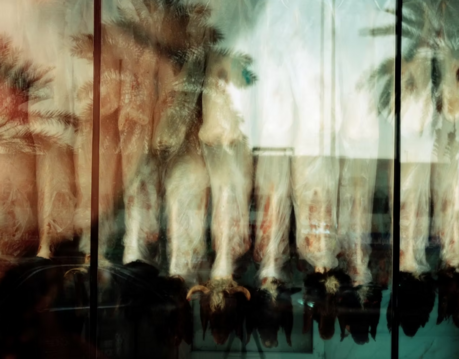



A local photographer has spent two years documenting the vibrant oatcake culture of north Staffordshire, creating a comprehensive photobook that celebrates both the shop owners and customers who keep this centuries-old tradition alive. Stoke-on-Trent-born David Fletcher initially expected to find a declining industry but was pleasantly surprised to discover that the 42 oatcake shops across the city are actually thriving, serving as vital community hubs for locals who each have their own favorite establishment.
Fletcher's photobook, titled "Tunstall Tortillas," aims to highlight the local industry and the unique culture surrounding these traditional delicacies. "I thought the shops would probably be declining, and I was quite surprised to find that they're not, and in fact they are thriving," Fletcher explained. He describes the food as something that might not look very special at first glance, but becomes extraordinary once tasted, with each shop serving as a cornerstone of community life.
The history of Staffordshire oatcakes dates back to the 18th Century, evolving from a rural tradition into a booming cottage industry during the Industrial Revolution. As pottery and mining expanded in the region, specialized premises with coal-fired bakestones began churning out thousands of oatcakes daily to satisfy the appetites of new workers. The traditional treat is made from a recipe typically including oatmeal and yeast, resulting in what some describe as looking rather like a wet flannel before being filled with ingredients such as bacon and cheese.
Amanda Bromley from Barewall Art Gallery, where the book will have its official launch on Saturday, praised the project as offering a "fresh look" at the oatcake through the perspective of shop owners, who "very rarely get a mention." She emphasized that it was about time these vendors were celebrated, as they "do a great job of keeping the oatcake-eating culture alive in the Potteries." The gallery views this celebration as long overdue recognition for these dedicated business owners.
Among the featured vendors is Craig Nicholson, who took over his family's shop 22 years ago and continues to use traditional handpouring techniques to produce oatcakes. Nicholson admits that the delicacies are "hard to explain to people who have not heard of them," but insists they come out "just amazing, they are lovely." His shop represents the continuation of family traditions that have been passed down through generations of oatcake makers.
Another prominent figure in the book is John Broadhurst, who has been serving oatcakes for four decades through a business that dates back to 1934. Broadhurst believes the oatcake "symbolizes the people of Stoke-on-Trent, as much as the pots," drawing a connection between the food and the area's famous pottery industry. However, he notes the regional nature of this culinary tradition, explaining that just 10 to 20 miles outside of the city, many people don't know what oatcakes are.
The oatcakes have earned affectionate nicknames over the years, including "Potteries Poppadom," "Tunstall Tortilla," and "Clay Suzette," reflecting both local pride and the playful nature of the community's relationship with their signature food. It's important not to confuse these with Scottish oatcakes, which are more biscuit-like in nature. The making of north Staffordshire oatcakes remains an inherited tradition, with recipes and techniques passed down through families.
Representing the younger generation of oatcake entrepreneurs is 35-year-old Dan Yates, whose modern approach to marketing suggests the culture may expand beyond its traditional boundaries. Since April, Yates has been leveraging social media platforms to sell his products to a much wider geographical audience. "We're approaching a slightly different method with online, TikTok, Facebook; this sort of crowd we're looking to bring in," Yates explained, adding that "We're getting lots of new followers, lots of new people."
The photobook project and the continued innovation by vendors like Yates demonstrate that while oatcake culture remains deeply rooted in tradition, it's also adapting to modern times. This combination of historical preservation and contemporary marketing approaches suggests that the oatcake industry will continue to thrive, potentially reaching new audiences while maintaining its essential role in north Staffordshire's cultural identity.